|
August edition highlights:
- Oilseed rape establishment update 2026
- Late-season blight management
- Preparing for success: key weed control decisions before drilling cereals
- Don't let valuable nitrogen slip away this autumn: protect it with Instinct®
- Ympact®: building resilience from the seed up
- Corteva biologicals: building stronger crops from the ground up
- PACTS results available from winter oilseed rape hybrids from Pioneer®
- Win 1 of 5 B-Corp hampers!
- Make the most of Corteva's free agronomy apps
- BASIS and NRoSO points
|
|
|
Oilseed rape establishment update 2026
Oilseed rape remains one of the most valuable break crops in the rotation, but strong establishment is critical to unlocking its full potential. While soil temperatures remain favourable, moisture is the key factor shaping drilling decisions this season. Rather than chasing early drilling dates, growers are encouraged to focus on drilling into adequate moisture, creating optimal seedbeds and supporting rapid crop growth.
Early weed control also plays a vital role in protecting yield potential. Minimising weed competition during establishment helps crops make the most of available moisture, nutrients and light, supporting vigorous growth and improved resilience. Combining a conditions-led establishment approach with timely weed management can maximise crop competitiveness and set the foundations for a successful season.
|
Read more for practical guidance on drilling strategy, establishment success, weed control and companion crop management for OSR in 2026.
|
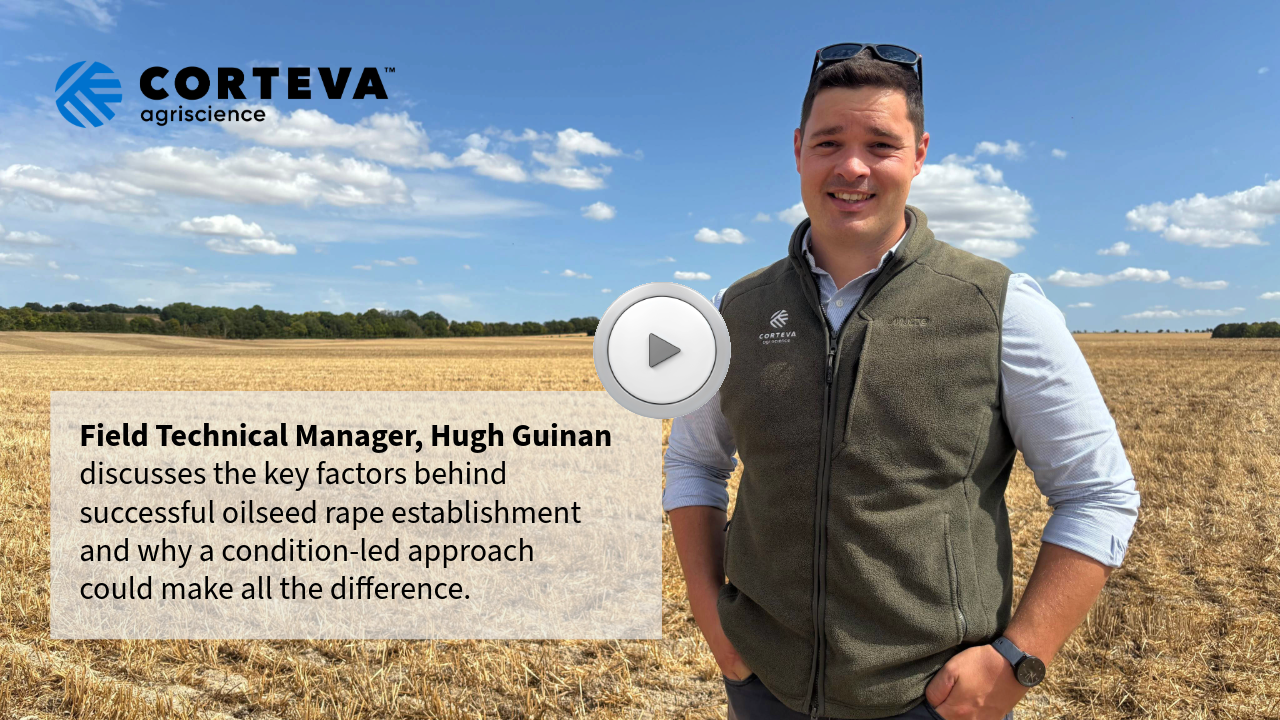
Watch our new video where Hugh Guinan, Corteva Field Technical Manager, discusses the key factors behind successful oilseed rape establishment.
|
|
|
|
Late-season blight management
Finishing the programme strong:
With the 2026 event season well underway, the Corteva team are excited to grab more opportunities to speak with growers and advisors involved in the world of potatoes!
The team is out and about today (13 August) at Potatoes in Practice in Dundee, where they are showcasing our range of solutions available for potato growers. The Eurofins Derby Blight Day is also coming up soon which the team will be attending; make sure to keep an eye out for information closer to the event. Craig Chisholm and Caroline McCartney, part of the Corteva potato fungicide team, were out visiting the Derby trial site earlier in the month and while disease had yet to appear, the crop was looking well, with potential for the epidemic to develop in the coming weeks.
|

|
Current crop situation:
With the 2026 season now well into stable canopy and the presence of warm or very warm temperatures across much of the potato growing area in recent weeks, conditions have not favoured Phytophthora infestans (P. infestans) and consequently blight pressure remains low across most of the primary potato growing regions. While this is good news for growers, it is a reminder that vigilance should remain as weather fluctuations bring increased humidity in some areas. Make sure to keep checking BlightSpy for the latest information in your area.
Indeed, as we move through August, more regional differences are becoming apparent, with the north and west benefitting from some much-needed rain, along with a fall in temperature. Subsequently we are seeing an increase in the prevalence of Hutton Criteria being met and the potential for late blight in crops where intervals have been stretched in recent weeks. This advice will become relevant across all growing regions as temperatures fall to more normal levels and rain showers become more frequent.
Close monitoring of crops is essential, and more costly fungicide options, or the addition of a curative partner such as Option® may be justified. Option provides a unique mode of action (MoA) as well as true curative activity, and permitting up to eight applications to the crop with a one day pre-harvest interval (PHI) allows flexibility in delivery dates for green top lift crops. Protectant fungicides used later in the programme for zoospore activity (e.g. cyazofamid), should be paired with a partner AI of a different MoA as part of an anti-resistance strategy; cymoxanil (e.g. Option) offers such cost-effective curative activity.
Stable pathogen population:
The P. infestans population continues to be dominated by EU36, consistent with previous seasons. While aggressive, EU36 shows no mutations conferring resistance to any fungicide groups currently available to UK growers.
Best practice still applies:
Growers should maintain a 7-day spray interval through to burn down. For crops destined for storage, it is critical to continue fungicide cover until no green tissue remains - even green stems can harbour P. infestans. Best practice has served growers and agronomists well.
|
Key messages:
• No significant outbreaks reported: Programmes have generally performed well. However, where growers have been tempted to stretch intervals during recent warm, dry weather, there is a risk that as weather changes, the gaps in protection will leave foliage open to infection. Stakeholders are encouraged to consult Fight Against Blight (Hutton BlightSpy) to keep a weather eye on the local risk to their crop.
• Finish strong: With the 2026 season now well into stable canopy, it’s vital not to let standards slip. The job is only complete when no green top growth remains, especially for crops going into storage.
• Avoid winter surprises: There have been many cases of storage breakdown over winter due to lapses in late-season blight control. Stay on top of blight management until the end of the season, ensuring any remaining green canopy is protected and does not harbour infection that could compromise crop storage potential. Ensure a quality crop enters store to avoid costly surprises and secure a restful winter.
|
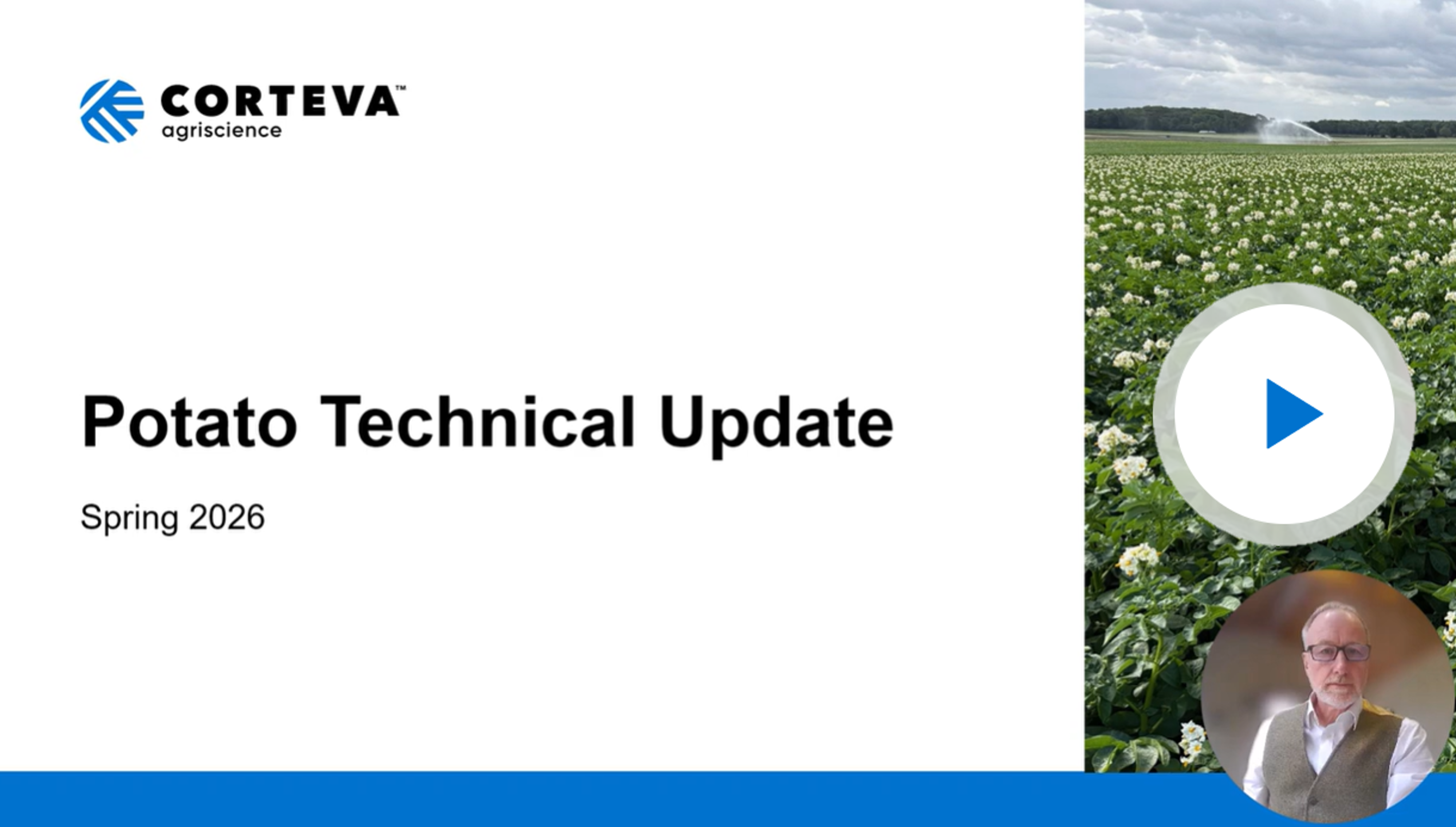
Learn and earn CPD points!
|
|
|
|
Preparing for success: key weed control
decisions before drilling cereals
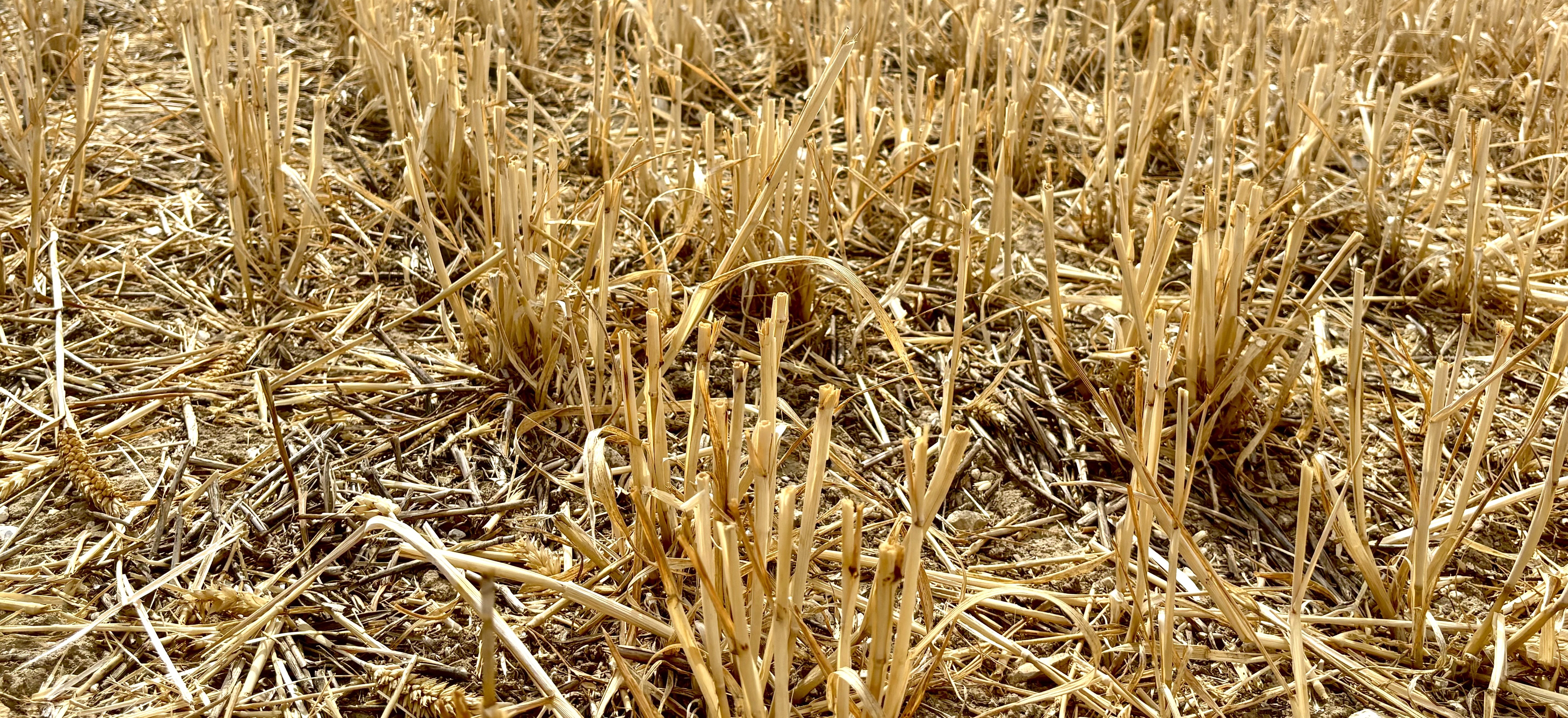
With the majority of harvest now complete, attention can turn to the 2027 crop, and effective weed control starts now. The hot, dry conditions experienced through harvest, coupled with limited soil moisture, may have increased seed dormancy in many weed species, with relatively low levels of germination currently visible in stubbles. While this reduces opportunities for early weed flushes, it could also lead to larger and more concentrated emergence events once cooler temperatures and rainfall return.
However, an early harvest provides an excellent opportunity to maximise cultural control measures before drilling. As many of the most effective weed management decisions are made outside the crop, now is the ideal time to review last season's performance, identifying what worked well and where improvements can be made. While weed control was generally strong in many fields, late-emerging grass weeds and broad-leaved weeds often escaped control, reinforcing the need for a season-long, integrated approach.
As autumn approaches, cultivation decisions should be driven by field conditions and clear objectives, whether that is alleviating compaction, encouraging weed germination, creating stale seedbeds or burying weed seed. Current dry conditions may limit the benefits of cultivation in some situations, and growers should carefully consider whether soil disturbance will stimulate germination or whether leaving soils undisturbed could achieve similar results while also reducing weed seed viability. Understanding the biology and behaviour of the target weed species remains critical.
Where stale seedbeds can be successfully established, allowing sufficient weed regrowth before drilling remains one of the most effective weed control tools available. These should then be followed by a well-timed glyphosate application, using an appropriate dose rate for the target species and applied at the optimum growth stage. Integrating glyphosate with cultivation strategies helps reduce weed populations while minimising selection pressure on the chemistry.
Effective weed management remains a year-round challenge, particularly for problematic species such as Italian ryegrass, bromes, groundsel, poppy and cleavers. Early-emerging weeds can reduce yield, complicate harvest and increase weed pressure in future rotations. Success depends on integrating cultural controls such as delayed drilling, stale seedbeds, crop rotation, variety choice and seed rates with targeted cultivations, stubble management and timely herbicide applications. By planning ahead and making the most of the opportunities before drilling, growers can put themselves in the strongest position for successful weed control this autumn.
|
• Start planning now - effective weed control begins before drilling.
• Monitor weed emergence - dry conditions may delay germination until rainfall returns.
• Review last season - identify what worked and where improvements can be made.
• Use stale seedbeds wisely - cultivate only where it supports weed control/agronomic objectives.
• Optimise glyphosate use - apply the right dose at the correct growth stage.
• Take an integrated approach - combine cultural and chemical controls for best results.
|
|
|
|
Don't let valuable nitrogen slip away
this autumn: protect it with Instinct®
• Residual soil nitrogen is important to keep hold of for your autumn crops. With the dry spring and summer there may still be some in the soil.
• Slurry/digestate is starting to be applied now - adding Instinct will help to keep nitrogen available to the growing autumn crops.
• With warmer, wetter autumns becoming increasingly common, protecting nitrogen has never been more important.
|
Nitrogen applied in late summer and autumn is vulnerable to loss through leaching and denitrification, particularly when soils remain warm and soil bacteria continue converting ammonium into nitrate. Autumn conditions over recent years have increased the risk of nitrogen loss with warmer and wetter autumns, making effective nitrogen management a key part of crop establishment and overwintering.
Instinct is a nitrification inhibitor that slows the conversion of ammonium to nitrate for around 8-10 weeks, helping keep nitrogen in the root zone for longer and reducing the risk of environmental loss. By protecting valuable nitrogen from leaching during the autumn and winter months, more remains available to support crop growth when it is needed.
|
Why consider Instinct?
• Helps protect autumn-applied nitrogen from leaching and denitrification.
• Instinct reduces leaching by 48%.
• Keeps more nitrogen available in the soil to support establishment and overwinter survival.
• Supports improved nitrogen use efficiency and more sustainable nutrient management.
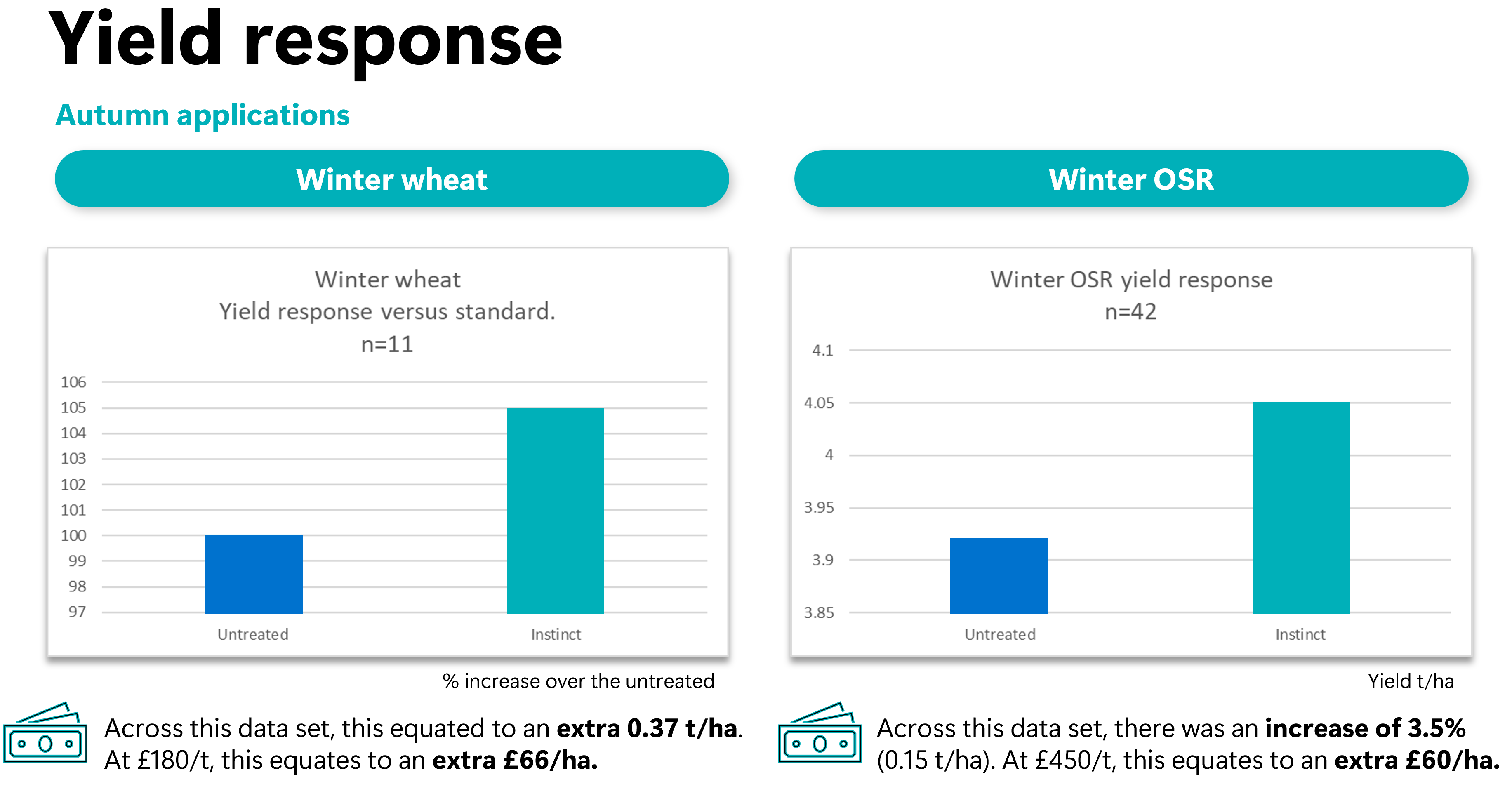
• Instinct helps to boost yield for both winter wheat and winter oilseed rape.
Look after your nitrogen this autumn. Instinct helps keep more nitrogen in the soil for longer, supporting crop establishment while reducing the risk of loss.
|
|
|
|
Ympact®: building resilience from the seed up
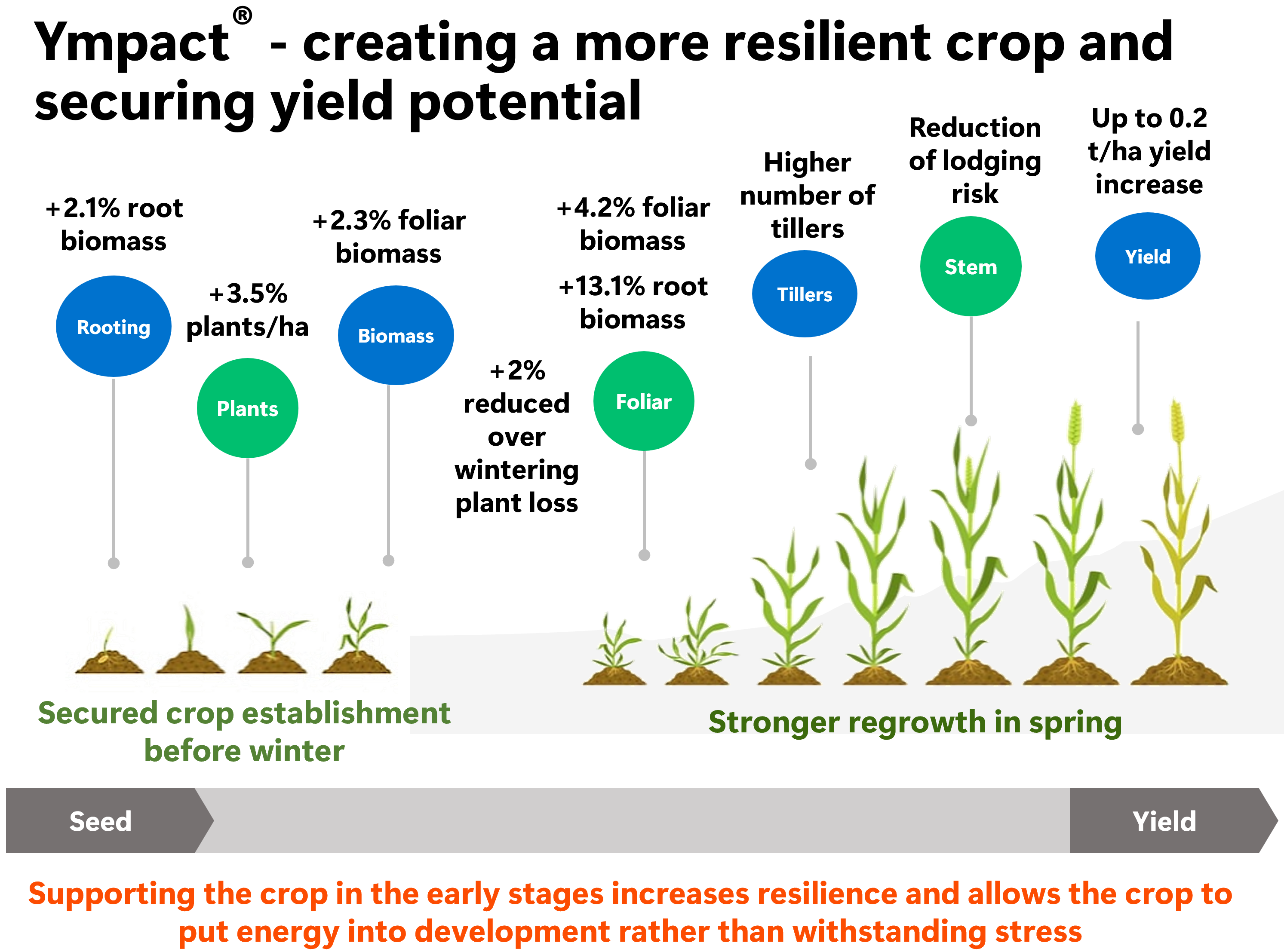
By investing in stronger establishment from day one, growers can help create more resilient crops and protect yield potential throughout the season. As planning for autumn cereal drilling continues, establishing a strong, resilient crop remains a priority. With the dry spring and summer, as well as unpredictable weather in the autumn, the potential for stress on germinating crops could be high.
Ympact seed treatment combines humic and fulvic acid-like compounds with chelated micronutrients to support early crop development, enhance nutrient uptake efficiency and help cereals cope with challenging conditions.
Ympact helps drive rapid emergence, stronger root development and improved crop establishment, laying the foundations for overwinter survival and yield potential.
Across UK and European trials, Ympact has consistently supported crop performance, with yield improvements of up to 0.2 t/ha recorded in winter cereals.
|
Why consider Ympact this autumn?
• Supports stronger root development and early crop vigour.
• Improves nutrient uptake efficiency and helps crops cope with abiotic stress.
• Helps secure establishment before winter and maximise yield potential.
Start stronger, stay resilient, and build yield potential from the seed up with Ympact seed treatment.
|
|
|
|
Corteva biologicals: building stronger crops
from the ground up
As autumn cropping plans take shape, biological products can play an important role in supporting crop establishment and overall crop performance. Corteva's biological portfolio is designed to complement existing agronomy programmes, helping growers build stronger crop foundations while making the most of available resources.
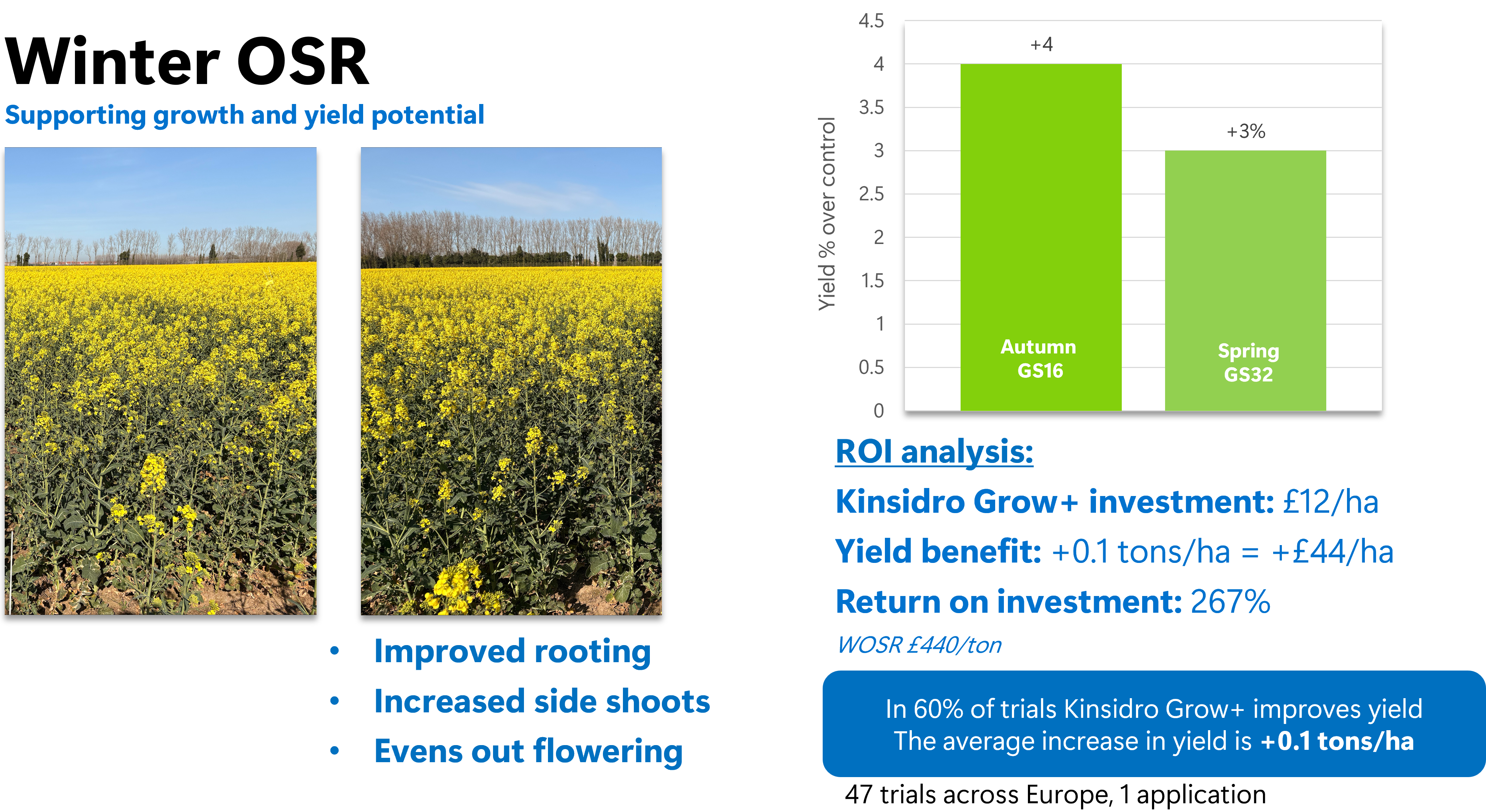
Kinsidro® Grow+ is a high-fulvic acid metabolic biostimulant that supports plant productivity by enhancing nutrient uptake, stimulating root and shoot growth, and improving photosynthetic activity. For autumn-sown cereals and oilseed rape, an autumn application can help promote establishment, root development and early vigour, supporting crops as they head into winter.
|
Why consider biologicals?
• Support crop establishment and early development.
• Improve crop performance.
• Complement existing agronomy programmes to help maximise crop potential.
Strong foundations underpin successful crops. Corteva's biological portfolio helps support root development and crop productivity from establishment through to harvest.
|
|
|
|
PACTS results now available for winter
oilseed rape hybrids from Pioneer®
We’re excited to share the very latest results from the Pioneer Accurate Crop Testing Systems (PACTS) for winter oilseed rape. These trials are designed to provide growers with robust, field-tested data to support confident decision-making when selecting hybrids for the upcoming season.
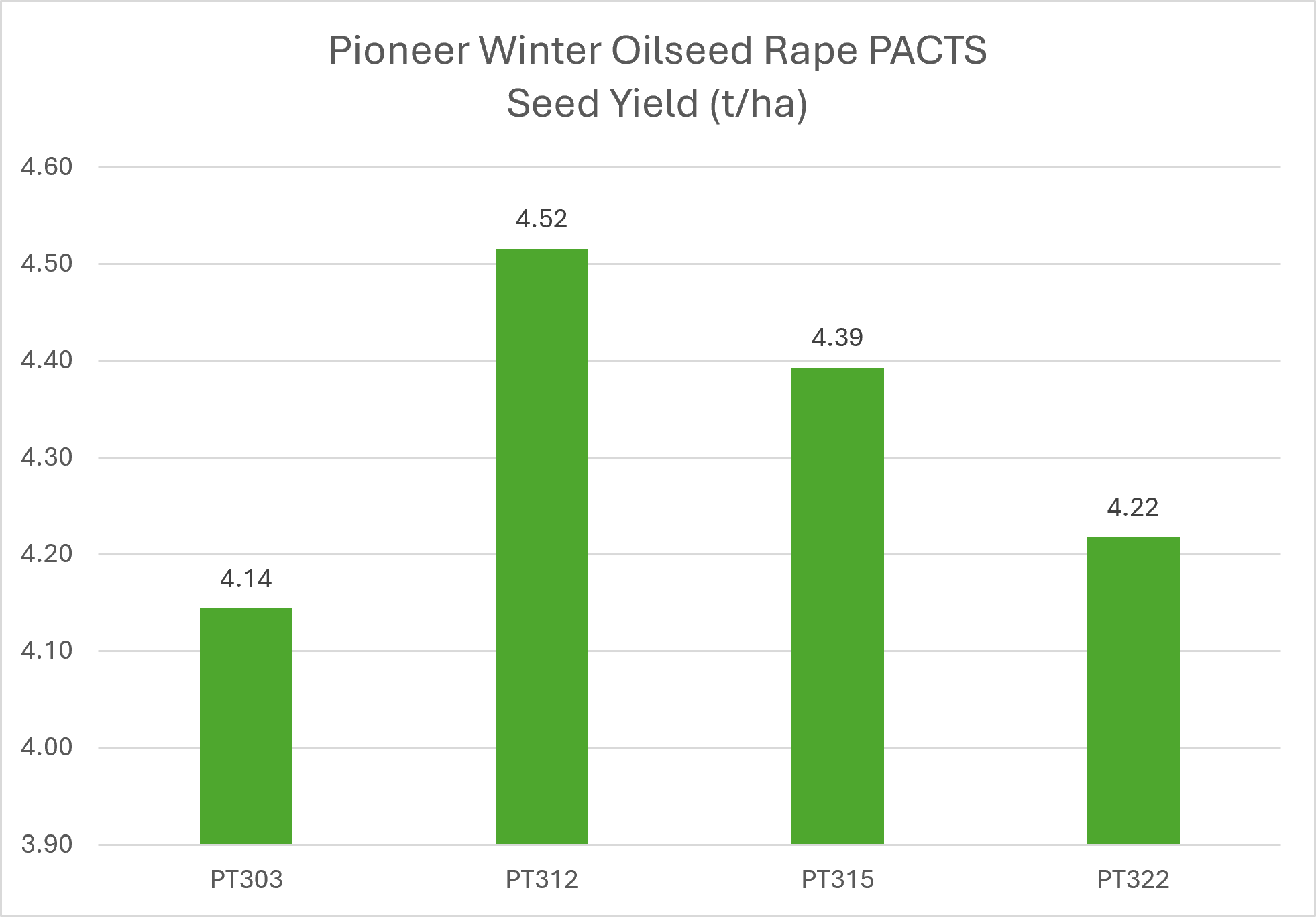
This year’s PACTS results highlight the outstanding performance and agronomic strengths of four key Pioneer hybrids:
• PT303: The UK’s first winter oilseed rape hybrid with built-in Sclerotinia tolerance, offering a strong agronomic package including Turnip Yellows Virus (TuYV) resistance and consistent yield performance.
• PT312: A high-yielding and high oil content hybrid with excellent vigour and built-in Sclerotinia tolerance. As well as TuYV resistance this variety is also Pod Shatter tolerant.
• PT315: Known for its strong disease resistance, very high oil content and reliable performance across a range of environments. This variety incorporates Pod Shatter resistance and Stem Canker resistance based on Rlm7 gene.
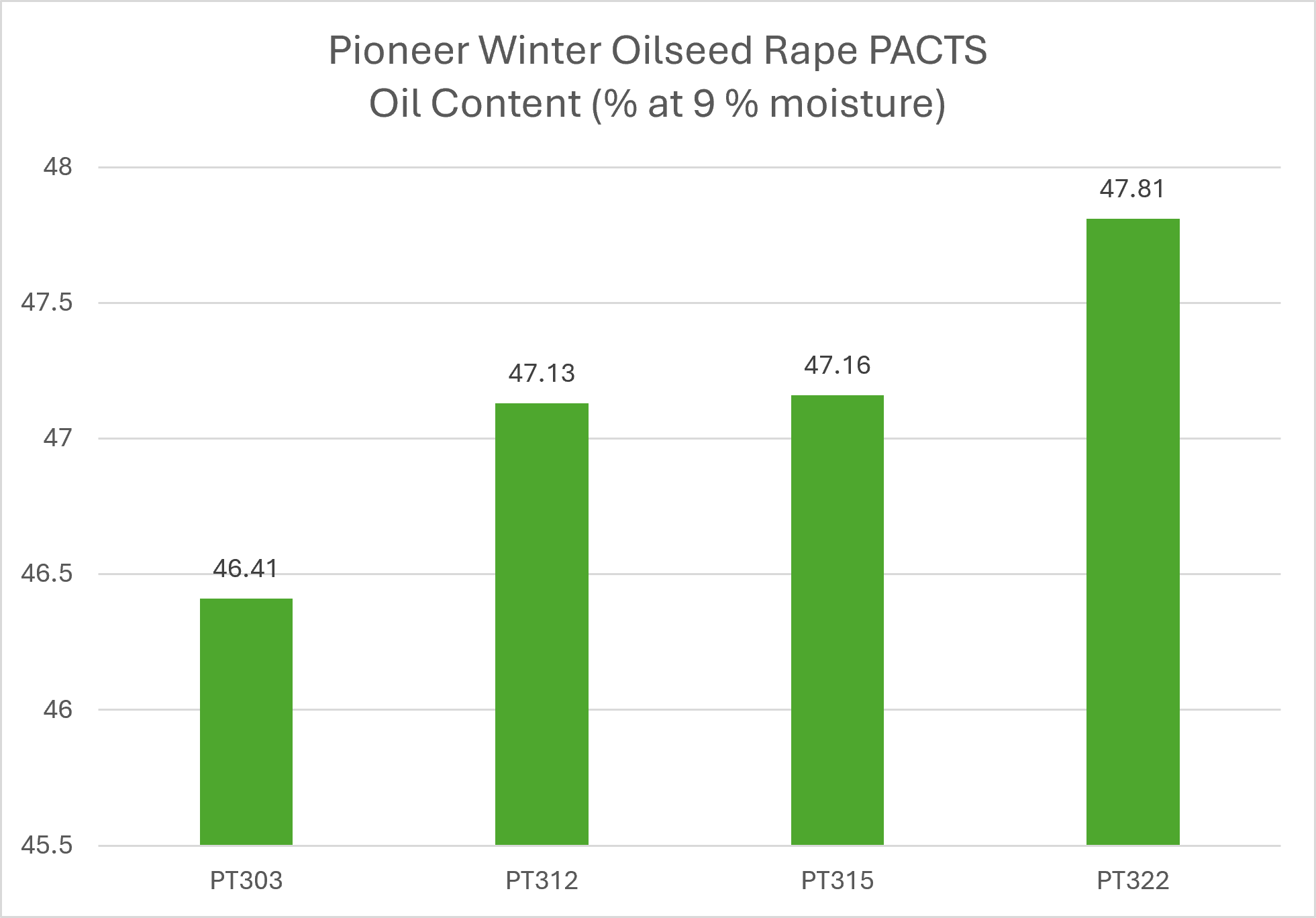
• PT322: The newest Pioneer hybrid delivering exceptionally high oil content (47.81% in UK trials) and disease resistance. With Sclerotinia tolerance, TuYV resistance, Pod Shatter tolerance and strong scores for Light Leaf Spot (8) and Stem Canker (7). The stem canker resistance is based on the newer LmS gene.
These hybrids have been rigorously tested across multiple locations and growing conditions, giving growers the confidence to choose varieties that align with their agronomic goals and local challenges.
|
Take a look at some of the trial results below:
|
|
|
Based on four UK trials conducted by Pioneer Research.
|
To learn more about Pioneer's OSR range, click here.
|
|
|
Win 1 of 5 B-Corp hampers!
We're inviting growers to share their experiences in our short survey. If you use seed treatments in cereal crops, we'd like to learn more about your experiences and decision-making. Your feedback will help us better understand how seed treatments are being used on farm today. Click here to complete our short survey and you'll be entered into the prize draw for a chance to win.
|

|
|
|
News and views from the Corteva Team
#Farm24 - 24 hours in farming:
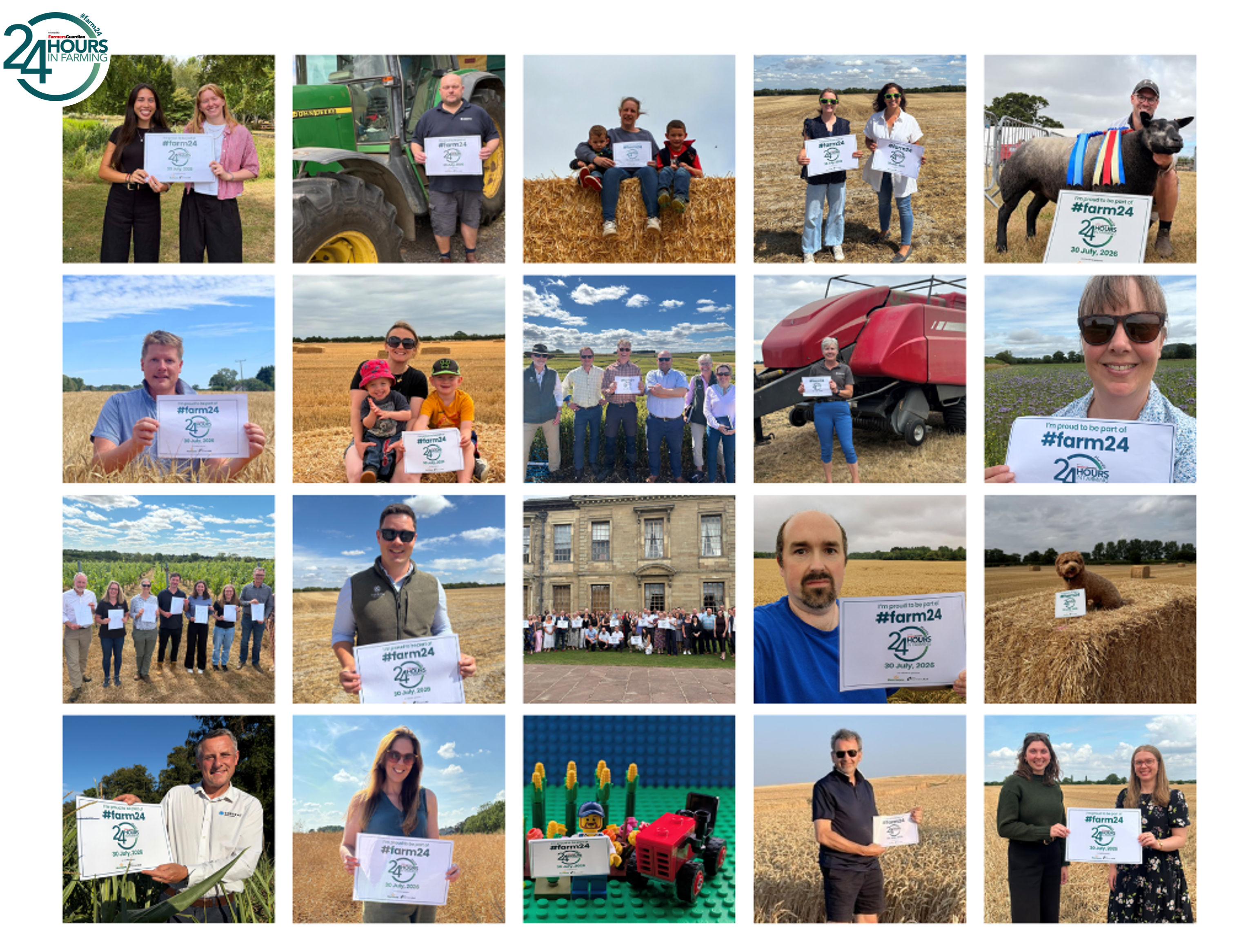
On 30 July, the farming community across the UK came together to support Farm24, the biggest annual digital celebration of farming. Organised by Farmers Guardian and Morrisons, the campaign shines a spotlight on the people, businesses and families who work in the agricultural industry.
Corteva Agriscience was proud to take part in Farm24 once again, joining thousands of farmers and industry supporters. From harvest activities to family farms, the campaign provided an opportunity to celebrate the dedication, innovation and resilience that underpin British farming and to strengthen public understanding of how food is produced.
We shared a video on our social channels featuring colleagues from across Team Corteva holding their #Farm24 pledge cards and showing their support for the farming community. Watch the video here!
|
|
|
|
|
Get to know Team Corteva:
You might have already seen some of our blogs introducing colleagues from across Corteva. To help you get to know the team better, we’ve asked each of them a few key questions about their careers, roles and what inspires them!
This month, meet Joe Martin; Joe shares insights into his role as a Field Technical Manager, his career journey through agricultural research and crop protection, and his passion for helping bring innovative technologies to growers.
To read Joe's story, click here.
|
|
|
|
|
|
Make the most of Corteva's free agronomy apps
Whether you're in the field or at your desk, the Corteva Arable and Forage apps provide quick access to technical information, decision-support tools and practical agronomy advice.
Both apps are available for free on both Apple and Android devices, giving you easy access to Corteva expertise wherever you are.
For further information and download links for the Corteva apps, click here.
|

|
|
|
Want to hear more from us?
Update your preferences and tailor your choices to make sure you receive the communications that are right for you. Don't forget to enter into our monthly prize draw by ticking the box before submitting to be in with the chance to win!
You can also stay in the loop with all the latest updates by following @CortevaUK on X and Facebook or @CortevaUKI on Instagram.
|

|
|
|
Get in touch with our hotline team
|
CPD points
Subscribing to Corteva Agriscience's Arable Update gives eligibility for 2 CP BASIS points and/or 2 NRoSO points.
|
USE PLANT PROTECTION PRODUCTS SAFELY. Always read the label and product information before use. For further information including warning phrases and symbols refer to label. ®, ™ Trademarks of Corteva Agriscience and its affiliated companies. All other brand names are trademarks of other manufacturers for which proprietary rights may exist. All manufacturers trade names and trademarks are duly acknowledged. © 2026 Corteva. Option® contains cymoxanil. Instinct® contains nitrapyrin. Ympact® contains fulvic acid, humic acid, trace elements including copper (0.45%), manganese (0.74%), zinc (1.1%), boron, cobalt and sodium. Kinsidro® Grow+ contains fulvic acid, humic acid, potassium oxide (10%), sodium oxide (3.75%), sulfur trioxide (6.25%), boron (0.04%), cobalt (0.04%), copper (0.04%), manganese (0.04%), molybdenum (0.005%) and zinc (0.05%).  | | | | |