
|
In the July edition:
- Planning for successful OSR establishment this autumn
- LumiGEN™ seed treatments: supporting strong oilseed rape establishment in 2026
- Instinct®: protect your nitrogen investment
- Ympact®: building resilience from the start
- Late blight fungicide programme maintenance in the stable canopy phase
- Univoq™ in 2026: disease managed, resistance risk reduced
- The threat of Sclerotinia
- Variety spotlight: PT322 new to the Pioneer® range
- Boost maize silage performance with Pioneer® 11CFT
- Thank you for taking part in our 2026 OSR Survey!
- Corteva makes its Groundswell debut
- News and views from the Corteva team - event season!
- Make the most of Corteva's free agronomy apps
- Want to hear more from us?
- Get in touch with our hotline team
- Update your communication preferences, enter our monthly prize draw, plus ways to earn BASIS and NRoSO points
|
|
|
Planning for successful oilseed rape
establishment this autumn
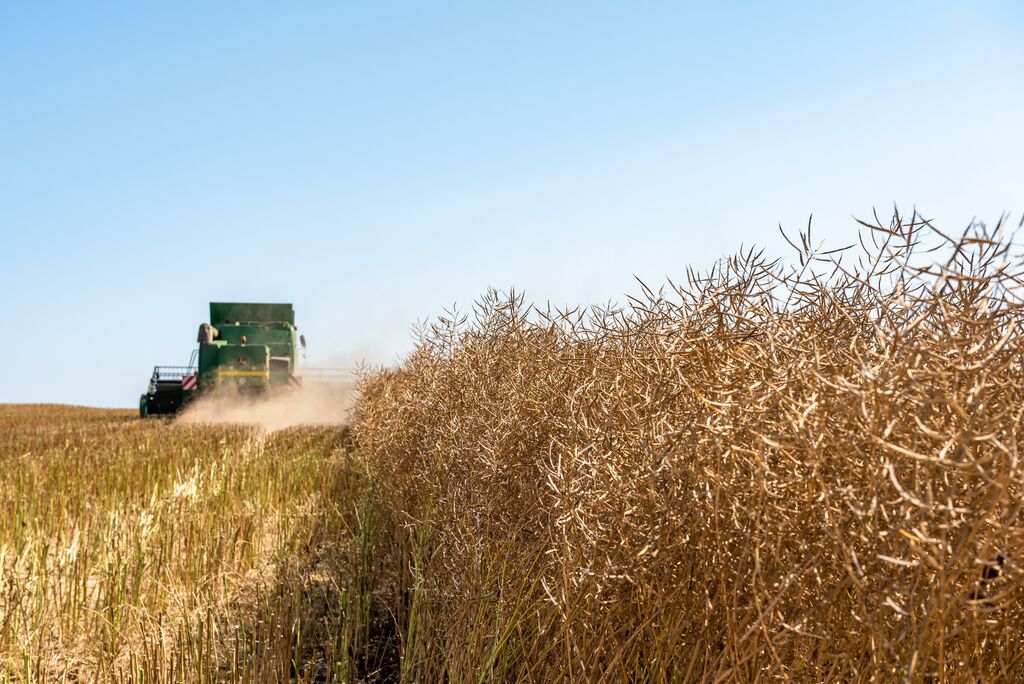
Oilseed rape remains one of the most profitable break crops in the rotation and provides an important opportunity to control difficult broad-leaved weeds and resistant grass weeds, delivering benefits that extend well beyond the crop itself. These benefits continue to make OSR an attractive option for many growers this autumn.
A big thank you to everyone who completed our recent Oilseed Rape Survey. The results highlight continued confidence in the crop, with 90% of respondents planning to grow OSR next season and more than 40% intending to increase their OSR area where conditions allow. Responses also reinforced the important role that effective weed control programmes continue to play in supporting successful OSR establishment and crop performance.
As growers plan for the coming season, there are several key considerations that can help support successful establishment while underpinning good stewardship.
Successful oilseed rape starts with strong establishment. Focus on creating a good seedbed, conserving soil moisture and drilling into the right conditions rather than chasing calendar dates. Variety choice, early nutrition and prompt weed management all help drive strong autumn growth and lay the foundations for crop success.
Alongside establishment planning, stewardship should be considered ahead of drilling. Soil type, field topography, cultivation strategy and direction of travel can all influence the risk of herbicide movement, so careful planning is important to help protect watercourses, support sustainable use and achieve the best possible efficacy from the product.
While we wait for sufficient rainfall needed to begin drilling, now is the ideal time to review crop establishment plans and stewardship considerations. Taking these steps today can help lay the foundations for a successful OSR crop next season.
|
|
Click here to visit our dedicated Oilseed Rape Hub, which is regularly updated to support growers throughout the season.
|
|
|
LumiGEN™ seed treatments: supporting strong
oilseed rape establishment in 2026
With harvest not far away, it will soon be time to think about what seed treatments you may want to use for autumn-drilled oilseed rape. As growers continue to face challenges from variable drilling conditions, pest pressure and disease risk during emergence, seed treatment technology plays an increasingly important role in helping crops achieve their full potential. Pioneer® continues to offer a choice of advanced LumiGEN seed treatment options across its winter oilseed rape portfolio, helping growers establish healthy, vigorous crops from day one.
Tailored seed treatment options:
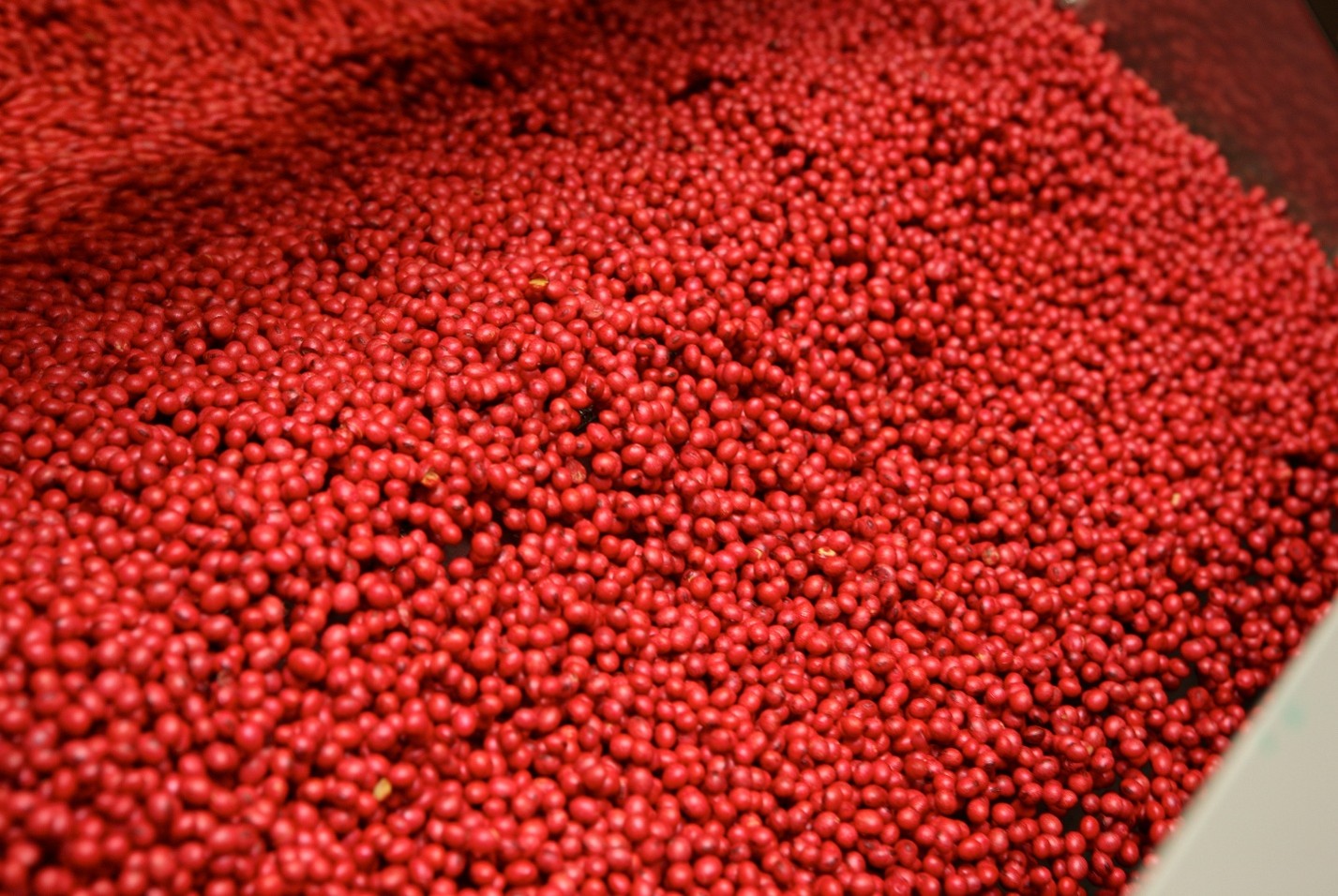
Pioneer winter oilseed rape seed is available with two LumiGEN treatment options: LumiGEN Premium and LumiGEN Premium Insecticide powered by Lumiposa®. Both treatments have been developed to support early crop establishment, while the Lumiposa option provides an additional level of protection against key early-season insect pests.
LumiGEN Premium combines Scenic Gold™ and Lumidapt™ Optima. Scenic Gold contains fluopicolide and fluoxastrobin, providing protection against seed- and soil-borne diseases including Phoma, Alternaria, downy mildew and damping-off caused by rhizoctonia. Lumidapt Optima complements this protection through a patented formulation designed to enhance early crop development and improve nutrient availability to young plants.
Additional protection with Lumiposa:
For growers seeking extra establishment support, LumiGEN Premium Insecticide powered by Lumiposa includes the same disease and vigour package, with the addition of Lumiposa; a seed-applied insecticide designed to reduce feeding damage from early-season insect pests. Lumiposa has activity against a range of insects, including cabbage root fly (Delia radicum), helping to protect young plants during the critical establishment phase. It also offers a mode of action with no cross-resistance to other insecticide groups.
Maximising crop potential from the start:
Strong establishment remains one of the key drivers of successful oilseed rape production. By combining leading genetics such as PT303, PT312, PT315 and PT322 with advanced LumiGEN seed treatment technology, growers can improve crop uniformity, support vigorous early growth and help maximise yield potential from the outset. Pioneer's seed treatment portfolio has been developed to give crops the strongest possible start, helping them cope with early-season challenges and build the foundations for profitable performance throughout the season.
|
|
You can read more about our oilseed rape seed treatments by clicking here.
|
|
|
Instinct®: protect your nitrogen investment
With fertiliser representing one of the largest variable costs on farm, making every kilogram of nitrogen count remains a priority.
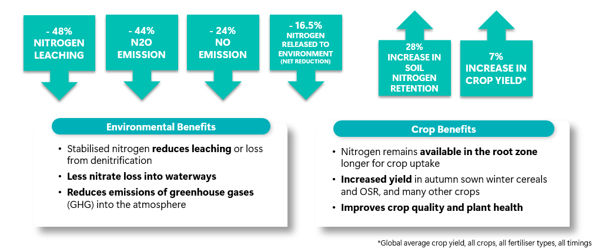
Instinct, containing Optinyte™ technology, is a nitrification inhibitor that slows the conversion of ammonium to nitrate for around 10–12 weeks, helping keep nitrogen in the root zone for longer. This reduces the risk of leaching and denitrification losses while maintaining nitrogen availability for crop uptake.
As preparations begin for autumn nitrogen applications and organic manure planning, Instinct can help improve nitrogen use efficiency by protecting applied nitrogen during periods when warm soils and increasing rainfall can increase the risk of loss.
By retaining more nitrogen in plant-available forms for longer, Instinct supports crop establishment, productivity and sustainable nutrient management.
|
|
|
|
Ympact®: building resilience from the start
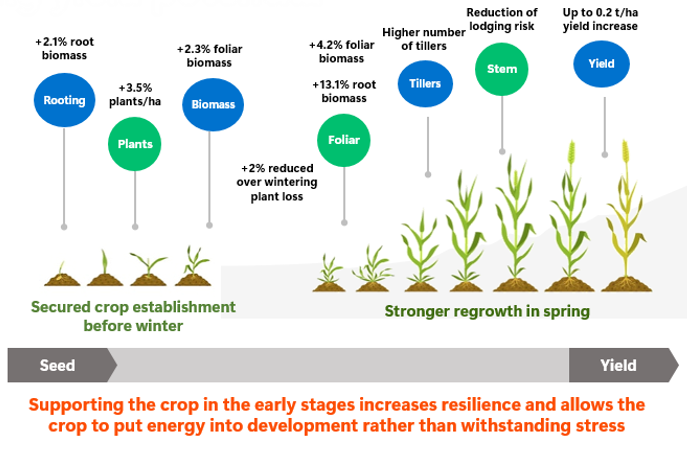
As plans are made for autumn cereal drilling, establishing crops quickly and evenly remains one of the best ways to maximise yield potential. Ympact, a growth nutrition seed treatment, supports early crop development by enhancing germination, rooting and stress tolerance.
Its unique combination of humic and fulvic acid-like compounds with chelated micronutrients help optimise key metabolic processes during the critical establishment phase.
Trials have consistently shown improvements in root development, early biomass and tiller production, helping crops access water and nutrients more effectively and maintain momentum when conditions become challenging.
By investing in stronger establishment from day one, growers can help create more resilient crops and protect yield potential throughout the season.
|
|
|
|
Late blight fungicide programme maintenance
in the stable canopy phase
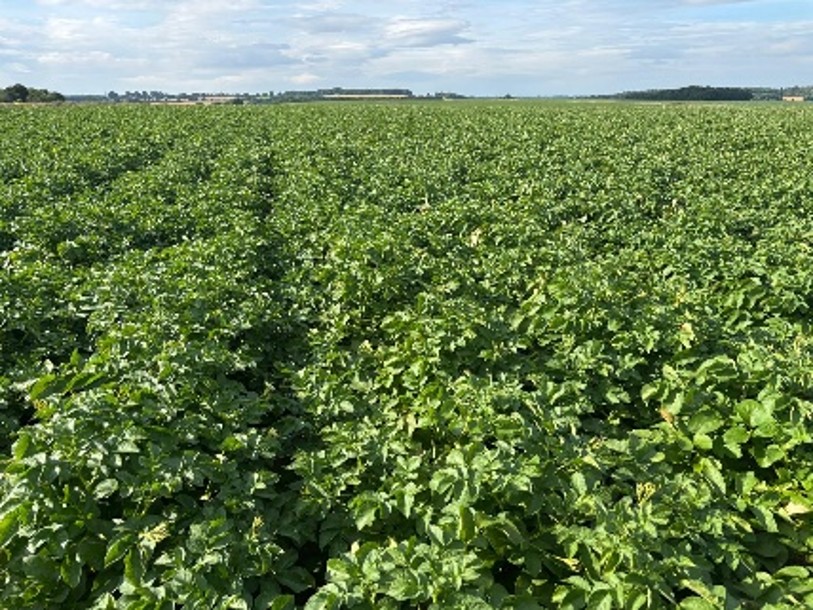
Potato crops have now largely reached the stable canopy phase, with management priorities differing between determinate and indeterminate varieties. While determinate varieties are moving more quickly towards maturity, indeterminate maincrop varieties continue to produce new growth and will benefit most from the systemic activity of oxathiapiprolin in Zorvec Entecta™, which helps protect emerging foliage between applications. With crops carrying significant yield potential, maintaining robust late blight protection continues to be essential as canopies remain dense and vulnerable.
The increase in Fight Against Blight (FAB) sample submissions reflects heightened pathogen activity, although confirmed resistance remains limited. At the time of writing, only a single EU46 outbreak carrying resistance to OSBPI fungicides has been confirmed in Shropshire, while the vast majority of samples continue to be identified as EU36 and EU06. Make sure to stay informed of the situation in your area by checking the Fight Against Blight hub.
As the season continues, maintaining a best-practice programme remains critical. Growers should continue to alternate and mix fungicide modes of action on a strict seven-day interval and consider including a curative partner such as Option® (cymoxanil) or propamocarb where local late blight activity is reported. Warm conditions may also favour Alternaria development, particularly in irrigated crops, and it is important to remember that Zorvec Entecta does not control Alternaria; making triazole-based chemistry an important part of disease management where risk is present. A disciplined, diversified fungicide strategy remains the best approach to preserving efficacy across all available late blight control tools.
|
|
Learn and earn CPD points!
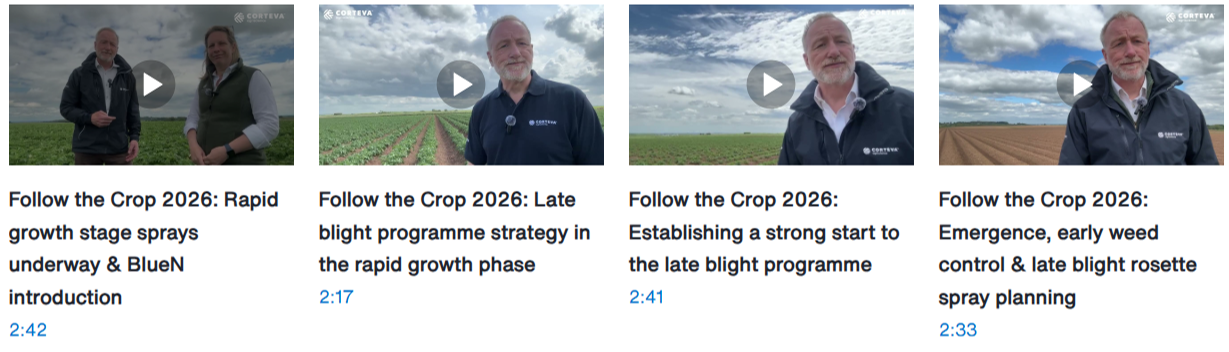
Follow the Crop 2026
Catch up on the 2026 Follow the Crop series with Corteva's Craig Chisholm and, more recently, Corteva’s Abi Morton, as they give updates from the field on potato crop progress and key focus considerations throughout the season.
|
|
Click here to watch the updates so far and stay tuned for any more during the season.
|
Upcoming Potato Events
You can find the team out and about in August at the following events:
|

|
|
|
Univoq™ in 2026: disease managed, resistance risk reduced
Back in February, the challenge was clear: maintain strong disease control while reducing reliance on repeated SDHI and triazole applications for septoria control. Univoq, powered by Inatreq™ active, offered growers a proven alternative mode of action to help protect both crop performance and fungicide longevity.
Disease pressure varied across the country; higher rainfall in the North and West drove significant septoria pressure, while many areas in the South and East faced increasing yellow rust challenges.
Although yield results are still to come, visual assessments from trials and commercial crops indicate that programmes including Univoq, either at T1 or T2, delivered excellent control of both septoria and yellow rust. Corteva has received positive feedback on Univoq's ability to maintain clean leaves and provide long-lasting disease protection under challenging conditions.
Resistance monitoring is ongoing, comparing programmes based on two SDHI applications with those incorporating a single SDHI plus Univoq. Initial observations align with previous findings that diversifying chemistry can help reduce selection pressure on SDHI fungicides. Further results will be shared later this season.
Seasonal observations suggest Univoq helped growers to:
- Protect green leaf area through key grain-filling periods
- Deliver robust control of septoria, the disease that remains the biggest yield robber in wheat
- Protect against yellow and brown rust during a season where rust pressure increased rapidly
- Introduce a unique mode of action through Inatreq active, helping diversify fungicide programmes and reduce reliance on back-to-back SDHI applications
In summary, Univoq helped growers manage disease pressure, resistance risk and fungicide investment through a more diverse and effective programme.
|
|
To learn more about Inatreq active, including practical advice on daily sprayer hygiene, best practice and regular and annual maintenance, click here.
|
|
|
The threat of Sclerotinia
Sclerotinia remains one of the most unpredictable diseases affecting UK oilseed rape. While outbreaks are not seen every season, high disease pressure during flowering can still have a significant impact on crop performance. Yield losses of up to 30% are possible where infection becomes established, particularly if flowering fungicide applications are delayed, compromised by weather, or missed altogether. As a result, growers continue to rely on a combination of forecasting, robust fungicide programmes and, increasingly, genetic protection within modern hybrids.
What conditions favour Sclerotinia?
Sclerotinia infection requires prolonged periods of moisture to develop. Typically, at least 24 hours of continuous high humidity combined with night-time temperatures above 7°C are needed for infection to occur. The greatest risk comes during flowering when wet conditions encourage petals to stick to leaves and stems. These petals provide a food source for the pathogen, allowing it to colonise the plant before moving into the stem. Symptoms usually become visible around two weeks after infection as characteristic white lesions on the stem.
Because infection risk is so closely linked to weather patterns, Sclerotinia remains difficult to predict and control fully through agronomy alone. This is why varietal tolerance is becoming an increasingly important tool within integrated disease management strategies.
Reduce the impact of Sclerotinia with PT303, PT312 and PT322:
Pioneer® continues to lead the way in genetic protection against Sclerotinia through its Protector® Sclerotinia breeding programme. PT303 was the first oilseed rape hybrid marketed in the UK with a claim for tolerance to Sclerotinia and remains a popular choice for growers looking to strengthen disease resilience. Alongside its Sclerotinia tolerance, PT303 offers partial resistance to Verticillium Stem Stripe, Turnip Yellows Virus (TuYV) resistance, strong autumn vigour and excellent stem health.
Pioneer research has shown that PT303 Protector Sclerotinia yielded more than 15% higher than a non-tolerant comparator in untreated trials under Sclerotinia pressure. Across 13 trials conducted between 2019 and 2021, PT303 also reduced disease incidence by an average of 36% and disease severity by 42%, demonstrating the potential value of genetic protection where disease pressure is high.
PT312 builds on this platform by combining Protector Sclerotinia tolerance, partial Verticillium Stem Stripe resistance, TuYV resistance, pod shatter tolerance and a very high oil content of 47.6%. It has also demonstrated top-level gross output performance in UK trials, making it a strong option for growers seeking both productivity and disease resilience.
New for 2026, PT322 extends the Protector Sclerotinia portfolio even further. It combines Sclerotinia tolerance with TuYV resistance, pod shatter tolerance, strong stem canker resistance and an exceptional oil content of 47.9%, providing another high-performing option for growers who want to strengthen crop protection through genetics.
By combining tolerant hybrids such as PT303, PT312 and PT322 with effective monitoring and well-timed flowering fungicides, growers can significantly reduce the risk posed by this damaging disease and protect yield potential in challenging seasons.
For more information on Sclerotinia biology and management, visit our weed and disease information resources here.
|
|
|
Variety spotlight: PT322 new to the Pioneer® range
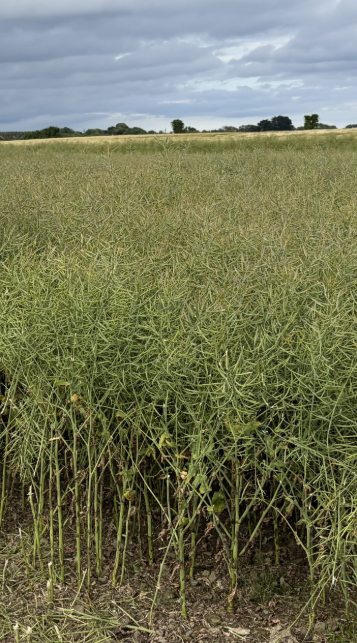
The newest addition to the Pioneer OSR portfolio for 2026 brings together a wide suite of valuable agronomic traits alongside high gross output yield and a very high oil content. Of particular note is Phoma Stem Canker resistance using the LmS gene. Stem Cankers cause lodging and premature ripening and yield losses are in the range of 0.5 to 0.7 t/ha.
In the UK, where reliance on the Rlm7 gene has been declining due to the emergence of virulent strains, the introduction of the LmS gene offers a more robust approach to disease resistance, enhancing crop health and yield potential. Varieties like PT322 have been developed to incorporate LmS resistance, providing significant benefits in terms of disease tolerance and overall crop performance.
|
|
Pictured above: A variety of oilseed rape with stem canker resistance based on the Rlm7 gene. Note the dark lesions on the stems. The lesions will eventually girdle the stem leading to early ripening and lodging and ultimately yield loss.
PT322 in summary:
- High gross output of 98% in UK Official Trials
- Top level oil content of 47.9%
- Protector Sclerotinia tolerance
- Turnip Yellows Virus (TuYV) resistance
- Scored a 7 for Light Leaf Spot resistance and an 8 for Stem Canker resistance
|
To learn more about Pioneer's OSR range, click here.
|
|
|
Boost maize silage performance with Pioneer® 11CFT
Producing high-quality maize silage is about more than preserving forage - it is about maximising feed value, reducing losses and improving livestock performance. Pioneer 11CFT has been specifically developed for maize silage destined for high-output dairy and beef systems, combining advanced inoculant technology with a unique fibre digestibility benefit.
11CFT is part of Pioneer's proprietary Fibre Technology range and contains a patent-protected strain of Lactobacillus buchneri. Unlike conventional inoculants, it works through three complementary modes of action: improving fermentation efficiency, enhancing aerobic stability and increasing fibre digestibility. This combination helps growers preserve more of the nutritional value produced in the field while creating silage that can deliver greater feeding performance.
Three benefits in one application:
The first benefit of 11CFT is improved fermentation. The live lactic acid-producing bacteria rapidly convert sugars into lactic acid, helping silage reach a stable pH more quickly. This supports better nutrient preservation and reduces dry matter losses during ensiling.
Secondly, 11CFT improves aerobic stability. During feed-out, silage can be vulnerable to heating caused by yeast and mould activity. The specialised Lactobacillus buchneri strain in 11CFT helps suppress these spoilage organisms, reducing heating and helping maintain silage quality at the clamp face and in the feed passage.
Most importantly, 11CFT has been developed to improve fibre digestibility. The inoculant's proprietary bacterial strain produces specific enzymes during fermentation that help unlock fibre within the plant cell wall, allowing rumen microbes to access more of the forage's energy. Pioneer research has demonstrated improvements in neutral detergent fibre digestibility (NDFD), supporting greater feed utilisation and animal performance.
Designed for modern dairy and beef systems:
Pioneer describes 11CFT as an ideal inoculant for maize silage used in high-production dairy and beef rations. By combining enhanced fermentation, greater aerobic stability and improved fibre utilisation, 11CFT can help increase the feeding value of every tonne of silage produced. This makes it particularly relevant where growers and livestock producers are focused on maximising home-grown forage performance and reducing the cost of purchased feeds.
As highlighted in the Pioneer 2026 PACTS® Maize Hybrid Book, Fibre Technology products generate ferulate esterase enzymes during fermentation, which have been shown to improve fibre digestion rates and enhance silage nutritional value. Pioneer 11CFT is the dedicated maize silage product within that Fibre Technology range.
For growers investing in high-yielding maize hybrids, Pioneer 11CFT offers an effective way to protect forage quality, reduce losses and unlock more value from every hectare harvested.
|

|
|
|
Thank you for taking part in our 2026 OSR Survey!
The survey attracted responses from farmers, agronomists and spray operators across a range of farming regions, providing an interesting snapshot of current and future OSR growing intentions, herbicide use and weed control experiences.
Corteva herbicides such as Astrokerb®, Belkar®, Kerb® Flo 500, Korvetto®, LaDiva® and Dymid® were all mentioned by participants, with over 80% of respondents sharing positive experiences relating to weed control and programme performance. Over three-quarters of respondents reported using at least one Corteva OSR herbicide.
The survey also generated a wealth of practical feedback, as mentioned previously, especially around challenges faced by growers, including changing seasonal conditions, difficult application windows and weed pressures. These insights help us to better understand the priorities of growers and advisers and will inform future technical content and communications.
Congratulations to Andrew Melton, who was selected at random as the winner of our luxury food and drink hamper, worth over £150!
|

|
|
|
Corteva makes its Groundswell debut
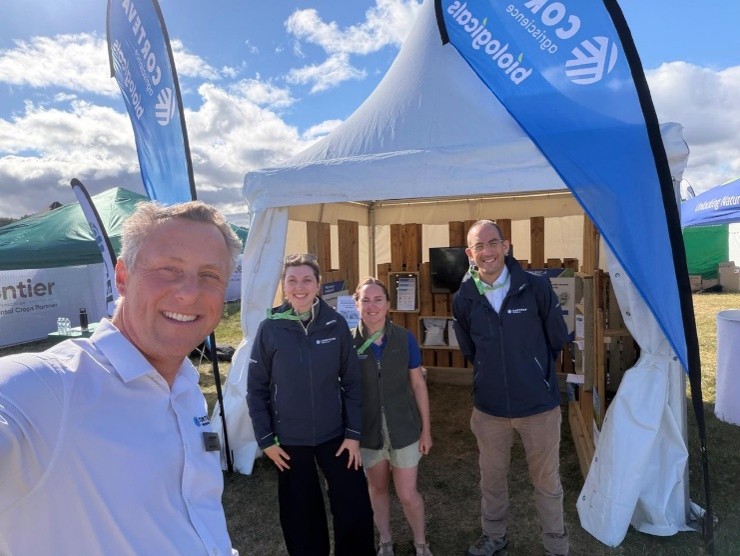
Groundswell 2026 marked Corteva's first attendance at the event, providing a valuable opportunity to connect with growers, agronomists and industry partners who share a passion for building resilient and sustainable farming systems.
As agriculture continues to evolve, Groundswell offers the perfect platform to explore how innovations in biologicals can work together with a range of farming systems to support productivity, soil health and long-term sustainability.
We engaged in practical discussions around soil health, crop resilience and regenerative farming practices. The strong interest and positive conversations reinforced the importance of science-led solutions that help farmers balance productivity, profitability and sustainability.
|
|
Click here to find out more about our biological product portfolio.
|
|
|
News and views from the Corteva Team
Rinskor® Demonstration Days:
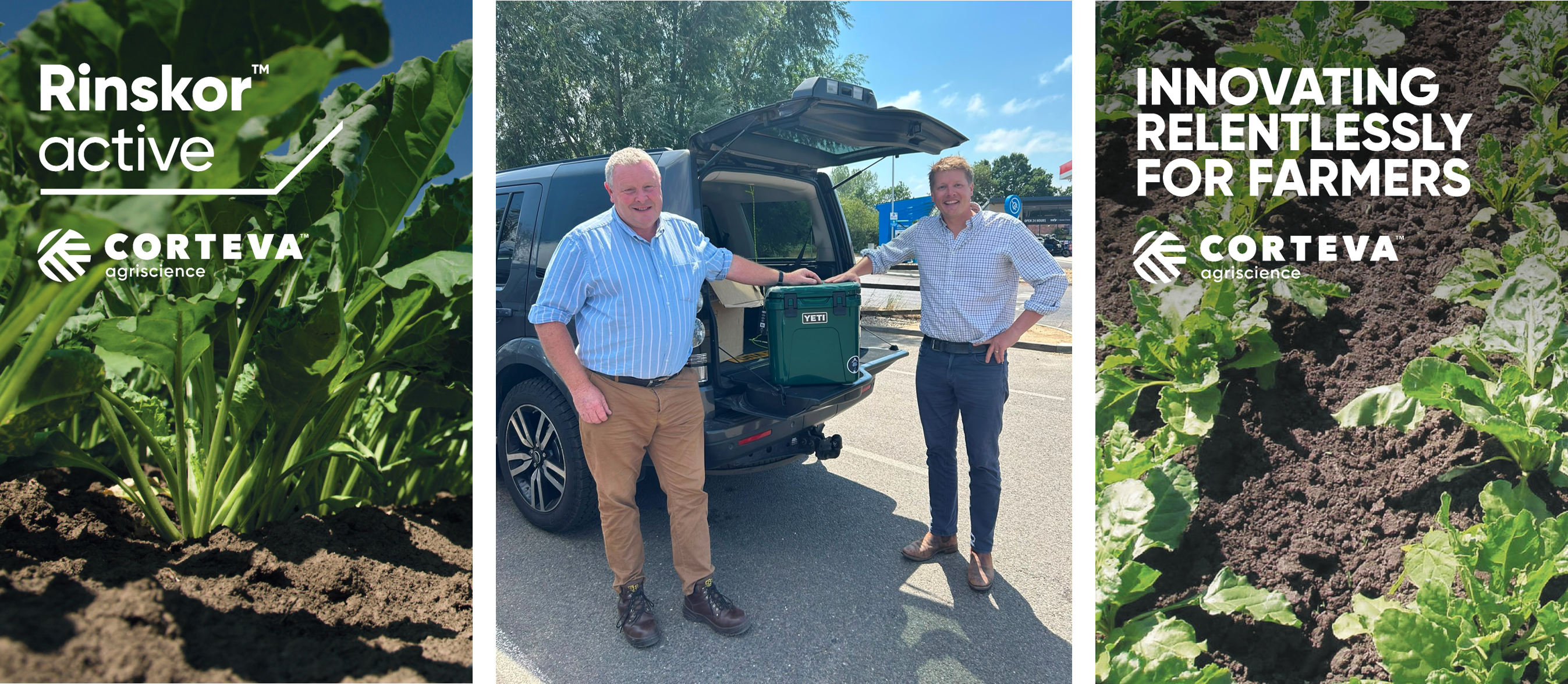
Following our successful Rinskor Demonstration Day events in May and June, we're delighted to congratulate Tim Whitaker from Frontier Agriculture, the lucky winner of our YETI® Roadie® 24 Cool Box. Tim received his prize from Corteva's Tom Rouse, Area Manager for the East of England.
A huge thank you to everyone who attended our demonstration events. We hosted more than 30 events across 10 different locations, bringing together growers and agronomists to discuss the future of weed control in sugar beet. Rinskor is a new active that will help transform weed control solutions for sugar beet, particularly at a time when growers are facing the loss of essential chemistries.
|
|
Note: Use of Rinskor in sugar beet and fodder beet in the UK is subject to HSE-CRD regulatory approval.
|
South West Forage Open Days:
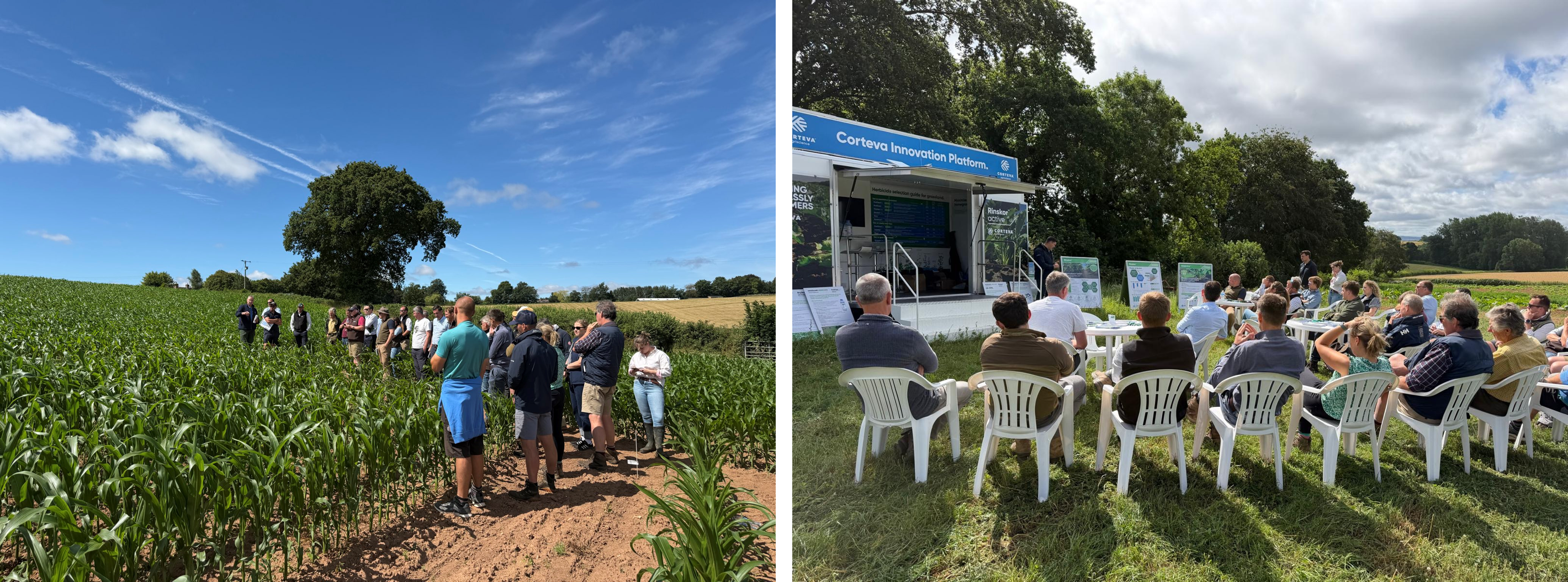
Our recent Corteva field events in the South West brought together growers and agronomists to explore the latest innovations in forage, maize and grassland management. Attendees had the opportunity to see emerging technologies and discuss some of the key challenges facing forage and livestock producers.
Highlights included updates on new Rinskor® active chemistry in fodder beet, next-generation maize herbicide programmes and the importance of timely weed control, the latest grassland weed control innovations and insights into the Corteva R&D pipeline.
These events reinforced the value of seeing innovation where it matters most, in the field, helping growers and agronomists understand how new technologies can support productivity, sustainability and performance on farm.
|
|
Meet Team Corteva at NSA Sheep:
The Corteva team will be attending NSA Sheep Event on 28 July. Whether you're looking to optimise grassland performance, improve forage quality or learn more about the latest innovations from Corteva, we'd be delighted to see you there.
We look forward to meeting growers and industry partners and discussing the challenges and opportunities facing the sheep sector. Find out more and grab your ticket here.
|

|
Corteva's Summer Competition:
Thank you to everyone who took part in our 2026 Summer Competition! It was fantastic to see so many of you putting your knowledge to the test and engaging with us at Cereals and other summer events. Congratulations to our lucky winner William Orchard, who takes home a YETI® Cool Box and a VELTUFF® Protex1 jacket!
|
|
|
Make the most of Corteva's free agronomy apps
Whether you're in the field or at your desk, the Corteva Arable and Forage apps provide quick access to technical information, decision-support tools and practical agronomy advice.
Both apps are available for free on both Apple and Android devices, giving you easy access to Corteva expertise wherever you are.
For further information and download links for the Corteva apps, click here.
|

|
|
|
|
|
|
Want to hear more from us?
Update your preferences and tailor your choices to make sure you receive the communications that are right for you. Don't forget to enter into our monthly prize draw by ticking the box before submitting to be in with the chance to win!
You can also stay in the loop with all the latest updates by following @CortevaUK on X and Facebook or @CortevaUKI on Instagram.
|

|
|
|
Get in touch with our hotline team
|
CPD points
Subscribing to Corteva Agriscience's Arable Update gives eligibility for 2 CP BASIS points and/or 2 NRoSO points.
USE PLANT PROTECTION PRODUCTS SAFELY. Always read the label and product information before use. For further information including warning phrases and symbols refer to label. ®, ™ Trademarks of Corteva Agriscience and its affiliated companies. All other brand names are trademarks of other manufacturers for which proprietary rights may exist. All manufacturers trade names and trademarks are duly acknowledged. © 2026 Corteva. Instinct® contains nitrapyrin. Optinyte™ contains nitrapyrin. Ympact® contains fulvic acid, humic acid, trace elements including copper (0.45%), manganese (0.74%), zinc (1.1%), boron, cobolt and sodium. Zorvec Entecta™ contains amisulbrom and oxathiapiprolin. Option® contains cymoxanil. Univoq™ contains fenpicoxamid and prothioconazole. Inatreq™ active contains fenpicoxamid. Astrokerb® contains aminopyralid and propyzamide. Belkar® contains halauxifen-methyl (Arylex™ active) and picloram. Kerb®Flo 500 contains propyzamide. Korvetto® contains clopyralid and halauxifen-methyl (Arylex™ active). LaDiva® contains Arylex™ active, aminopyralid and picloram. Dymid® contains aminopyralid and propyzamide. BlueN™ contains Methylobacterium symbioticum. Kinsidro® Grow+ contains fulvic acid, humic acid, potassium oxide (10%), sodium oxide (3.75%), sulfur trioxide (6.25%), boron (0.04%), cobalt (0.04%), copper (0.04%), manganese (0.04%), molybdenum (0.005%) and zinc (0.05%). Harbest® contains ureic nitrogen and water soluble calcium oxide. Resid® MG contains Glomus iranicum var. tenuihypharum.  | | | | | |