This update brings together key information to help you make confident, informed decisions throughout the OSR growing season.
Planning for successful oilseed rape establishment this autumn | LumiGEN™ seed treatments: supporting strong oilseed rape establishment in 2026 | The threat of Sclerotinia | Variety spotlight: PT322 new to the Pioneer® range | Thank you for taking part in our 2026 OSR Survey! | Want to hear more from us?
|
|
|
Planning for successful oilseed rape
establishment this autumn
|
With much of the UK experiencing exceptionally dry conditions, successful establishment of oilseed rape will be determined far more by soil moisture availability than by calendar date.
After the extreme heat and drought that we’ve seen up and down the country, and while many fields are cleared and ready to drill, sowing into dry seedbeds can lead to uneven germination, patchy emergence and reduced crop vigour, leaving plants more vulnerable to cabbage stem flea beetle, slugs and weed competition.
While waiting for rain can be frustrating, when it does arrive, the conditions are great for oilseed rape, and experience continues to show that some of the highest yielding crops are established later in the season, often well into mid-September, when conditions are favourable.
Oilseed rape remains one of the most valuable and profitable break crops in the rotation, delivering strong financial returns while providing important agronomic benefits. The crop offers an opportunity to tackle resistant grass weeds, reduce weed burdens ahead of cereals and improve rotational performance.
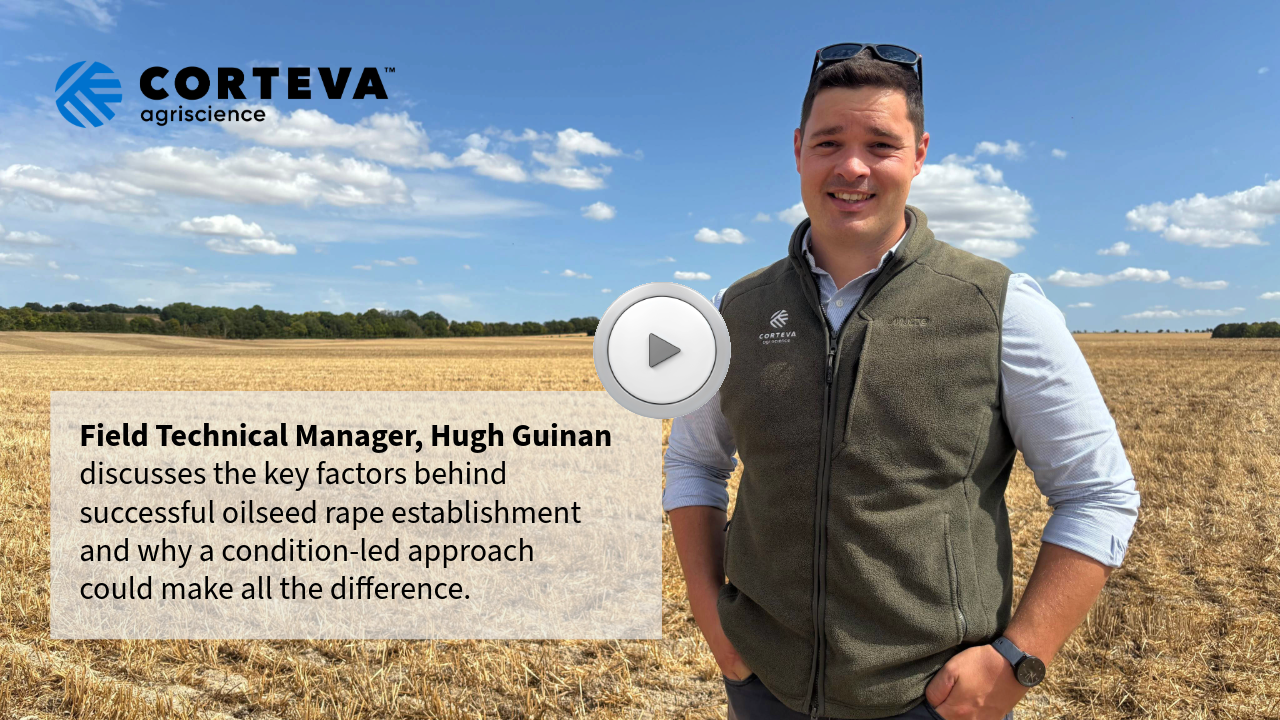
However, achieving its full potential starts with establishing a strong, even crop. Oilseed rape is not resilient and requires careful management in its early stages to establish. In his latest article, Hugh Guinan, Corteva Field Technical Manager, covers practical guidance on drilling strategy, establishment success, weed control and companion crop management for OSR in 2026. Read more here. You can also click to watch Hugh's short update below:
|
|
Click here to visit our dedicated Oilseed Rape Hub, which is regularly updated to support growers throughout the season.
|
|
|
LumiGEN™ seed treatments: supporting strong
oilseed rape establishment in 2026
|
As harvest begins, it will soon be time to think about which seed treatments you may want to use for autumn-drilled oilseed rape. As growers continue to face challenges from variable drilling conditions, pest pressure and disease risk during emergence, seed treatment technology plays an increasingly important role in helping crops achieve their full potential. Pioneer® continues to offer a choice of advanced LumiGEN seed treatment options across its winter oilseed rape portfolio, helping growers establish healthy, vigorous crops from day one.
Tailored seed treatment options:
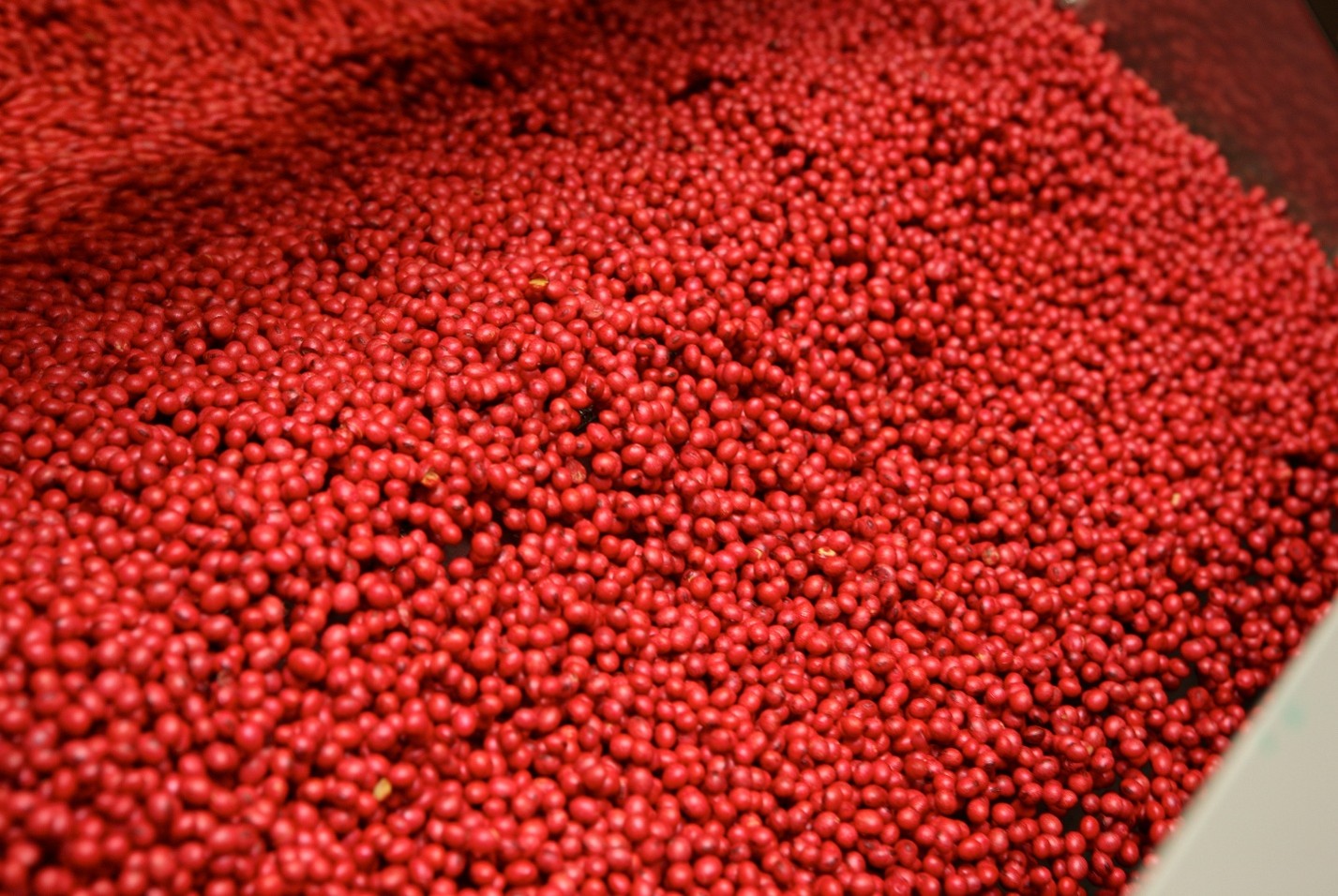
Pioneer winter oilseed rape seed is available with two LumiGEN treatment options: LumiGEN Premium and LumiGEN Premium Insecticide powered by Lumiposa®. Both treatments have been developed to support early crop establishment, while the Lumiposa option provides an additional level of protection against key early-season insect pests.
LumiGEN Premium combines Scenic Gold™ and Lumidapt™ Optima. Scenic Gold contains fluopicolide and fluoxastrobin, providing protection against seed- and soil-borne diseases including Phoma, Alternaria, downy mildew and damping-off caused by rhizoctonia. Lumidapt Optima complements this protection through a patented formulation designed to enhance early crop development and improve nutrient availability to young plants.
Additional protection with Lumiposa:
For growers seeking extra establishment support, LumiGEN Premium Insecticide powered by Lumiposa includes the same disease and vigour package, with the addition of Lumiposa, a seed-applied insecticide designed to reduce feeding damage from early-season insect pests. Lumiposa has activity against a range of insects, including cabbage root fly (Delia radicum), helping to protect young plants during the critical establishment phase. It also offers a mode of action with no cross-resistance to other insecticide groups.
Maximising crop potential from the start:
Strong establishment remains one of the key drivers of successful oilseed rape production. By combining leading genetics found in varieties such as PT303, PT312, PT315 and PT322 with advanced LumiGEN seed treatment technology, growers can improve crop uniformity, support vigorous early growth and help maximise yield potential from the outset. Pioneer's seed treatment portfolio has been developed to give crops the strongest possible start, helping them cope with early-season challenges and build the foundations for profitable performance throughout the season.
|
|
You can read more about our oilseed rape seed treatments by clicking here.
|
|
|
|
|
|
The threat of Sclerotinia
|
|
|
|
Sclerotinia remains one of the most unpredictable diseases affecting UK oilseed rape. While outbreaks are not seen every season, high disease pressure during flowering can still have a significant impact on crop performance. Yield losses of up to 30% are possible where infection becomes established, particularly if flowering fungicide applications are delayed, compromised by weather, or missed altogether. As a result, growers continue to rely on a combination of forecasting, robust fungicide programmes and, increasingly, genetic protection within modern hybrids.
What conditions favour Sclerotinia?
Sclerotinia infection requires prolonged periods of moisture to develop. Typically, at least 24 hours of continuous high humidity combined with night-time temperatures above 7°C are needed for infection to occur. The greatest risk comes during flowering when wet conditions encourage petals to stick to leaves and stems. These petals provide a food source for the pathogen, allowing it to colonise the plant before moving into the stem. Symptoms usually become visible around two weeks after infection as characteristic white lesions on the stem.
Because infection risk is so closely linked to weather patterns, Sclerotinia remains difficult to predict and control fully through agronomy alone. This is why varietal tolerance is becoming an increasingly important tool within integrated disease management strategies.
Reduce the impact of Sclerotinia with PT303, PT312 and PT322:
Pioneer® continues to lead the way in genetic protection against Sclerotinia through its Protector® Sclerotinia breeding programme. PT303 was the first oilseed rape hybrid marketed in the UK with a claim for tolerance to Sclerotinia and remains a popular choice for growers looking to strengthen disease resilience. Alongside its Sclerotinia tolerance, PT303 offers partial resistance to Verticillium Stem Stripe, Turnip Yellows Virus (TuYV) resistance, strong autumn vigour and excellent stem health.
Pioneer research has shown that PT303 Protector Sclerotinia yielded more than 15% higher than a non-tolerant competitor in untreated trials under Sclerotinia pressure. Across 13 trials conducted between 2019 and 2021, PT303 also reduced disease incidence by an average of 36% and disease severity by 42%, demonstrating the potential value of genetic protection where disease pressure is high.
PT312 builds on this platform by combining Protector Sclerotinia tolerance, partial Verticillium Stem Stripe resistance, TuYV resistance, pod shatter tolerance and a very high oil content of 47.6%. It has also demonstrated top-level gross output performance in UK trials, making it a strong option for growers seeking both productivity and disease resilience.
New for 2026, PT322 extends the Protector Sclerotinia portfolio even further. It combines Sclerotinia tolerance with TuYV resistance, pod shatter tolerance, strong stem canker resistance and an exceptional oil content of 47.9%, providing another high-performing option for growers who want to strengthen crop protection through genetics.
By combining tolerant hybrids such as PT303, PT312 and PT322 with effective monitoring and well-timed flowering fungicide applications, growers can significantly reduce the risk posed by this damaging disease and protect yield potential in challenging seasons.
For more information on Sclerotinia biology and management, visit our weed and disease information resources here.
|
|
|
Variety spotlight: PT322 new to the Pioneer range
|
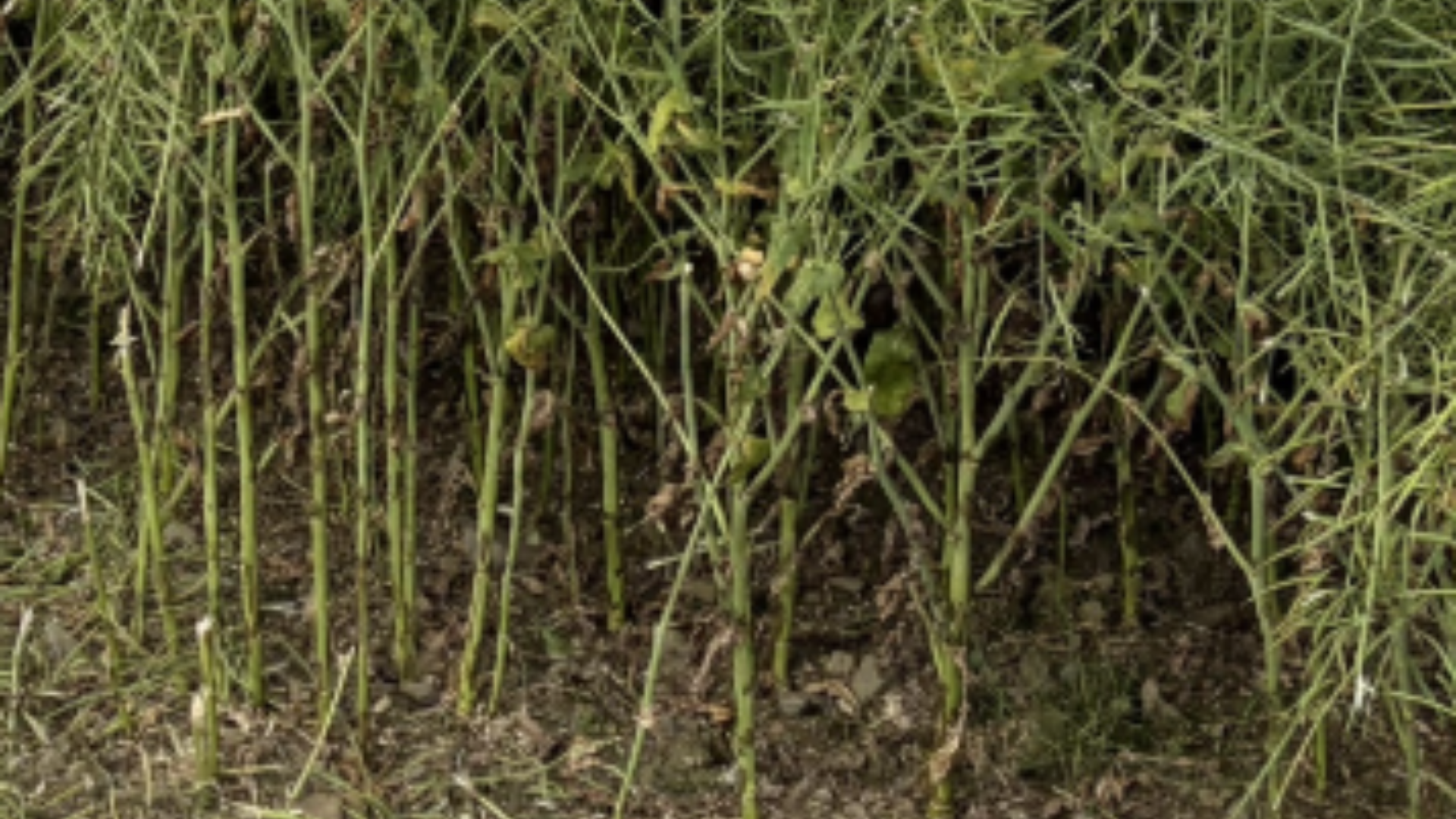
The newest addition to the Pioneer OSR portfolio for 2026 brings together a wide suite of valuable agronomic traits alongside high gross output yield and a very high oil content. Of particular note is Phoma Stem Canker resistance using the LmS gene. Stem Cankers cause lodging and premature ripening and yield losses are in the range of 0.5 to 0.7 t/ha.
In the UK, where reliance on the Rlm7 gene has been declining due to the emergence of virulent strains, the introduction of the LmS gene offers a more robust approach to disease resistance, enhancing crop health and yield potential. Varieties like PT322 have been developed to incorporate LmS resistance, providing significant benefits in terms of disease tolerance and overall crop performance.
|
|
Pictured above: A variety of oilseed rape with stem canker resistance based on the Rlm7 gene. Note the dark lesions on the stems. The lesions will eventually girdle the stem leading to early ripening and lodging and ultimately yield loss.
PT322 in summary:
- High gross output of 98% in UK Official Trials
- Top level oil content of 47.9%
- Protector Sclerotinia tolerance
- Turnip Yellows Virus (TuYV) resistance
- Scored a 7 for Light Leaf Spot resistance and an 8 for Stem Canker resistance
To learn more about Pioneer's OSR range, click here.
|
|
|
Thank you for taking part in our 2026 OSR Survey!
|
The survey attracted responses from farmers, agronomists and spray operators across a range of farming regions, providing an interesting snapshot of current and future OSR growing intentions, herbicide use and weed control experiences.
Corteva herbicides such as Astrokerb®, Belkar®, Kerb® Flo 500, Korvetto® and LaDiva® were all mentioned by participants, with over 80% of respondents sharing positive experiences relating to weed control and programme performance. Over three-quarters of respondents reported using at least one Corteva OSR herbicide.
The survey also generated a wealth of practical feedback, as mentioned previously, especially around challenges faced by growers, including changing seasonal conditions, difficult application windows and weed pressures. These insights help us to better understand the priorities of growers and advisers and will inform future technical content and communications.
Congratulations to Andrew Melton, who was selected at random as the winner of our luxury food and drink hamper, worth over £150!
|

|
|
|
|
|
|
Want to hear more from us?
|
Update your preferences and tailor your choices to make sure you receive the communications that are right for you. Don't forget to enter into our monthly prize draw by ticking the box before submitting to be in with the chance to win!
You can also stay in the loop with all the latest updates by following @CortevaUK on X and Facebook, and @CortevaUKI on Instagram.
|
|
|
Get in touch with our hotline team
|
|
|
|
|
|

|
USE PLANT PROTECTION PRODUCTS SAFELY. Always read the label and product information before use. For further information including warning phrases and symbols refer to label. ®, ™ Trademarks of Corteva Agriscience and its affiliated companies. All other brand names are trademarks of other manufacturers for which proprietary rights may exist. All manufacturers trade names and trademarks are duly acknowledged.
| | | | |